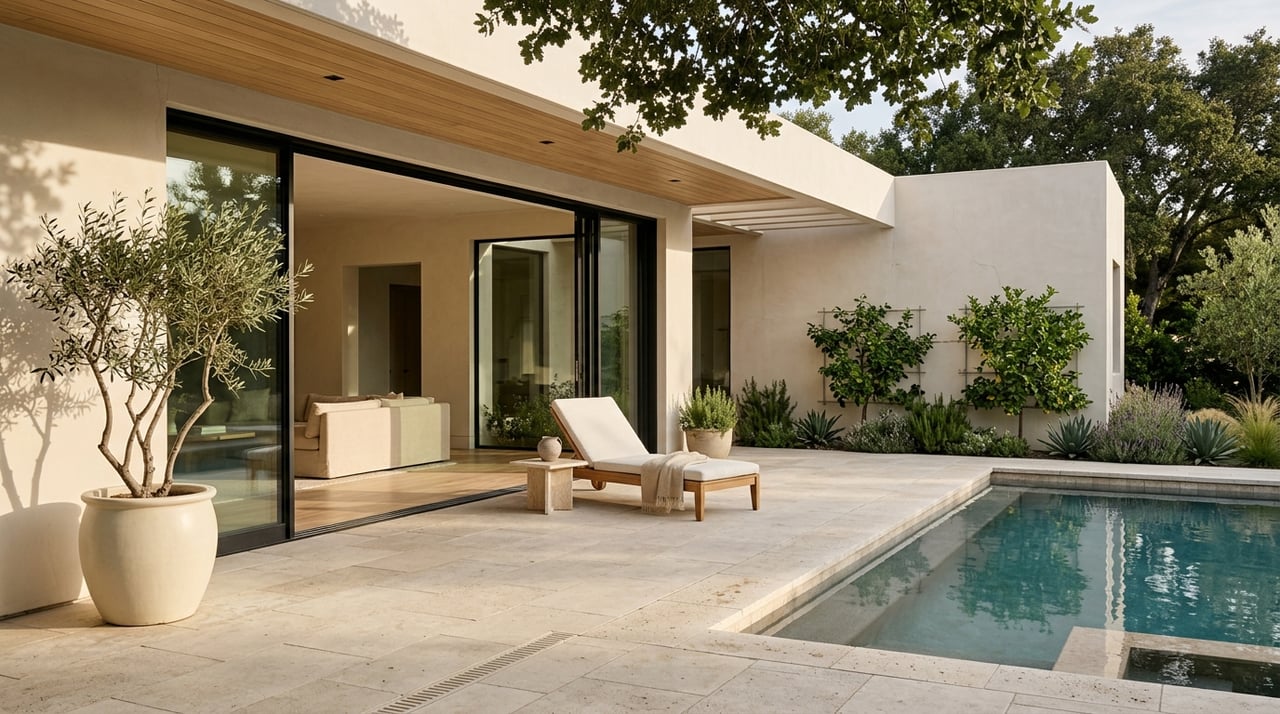
Santa Barbara Second Home Lifestyle: What It Feels Like
June 4, 2026
June 4, 2026
Picture this: you land, drop your bag, open the windows, and within minutes you are walking toward the water instead of settling into a complicated to-do list. That is the real appeal of second-home living in Santa Barbara. If you are wondering whether a place here feels truly usable, relaxed, and worth returning to often, this guide will help you picture the rhythm of everyday life. Let’s dive in.
Santa Barbara has a layout that makes second-home ownership feel practical, not just aspirational. The city blends a mild coastal climate, a compact downtown, and close access to the beach, harbor, dining, and inland day trips.
That matters when you are not living in a home full time. You want a place where arrival feels easy and where your time is spent enjoying the area, not organizing every outing.
Visit Santa Barbara describes the city as having a Mediterranean-like climate and a small-town feel with big-city amenities. The city’s coastal program also notes that the coastal zone generally extends about half a mile inland, includes about six miles of shoreline, and is roughly 70% publicly owned, which helps make waterfront access feel like part of daily life.
One of the biggest reasons Santa Barbara works as a second-home base is the weather. Visit Santa Barbara reports more than 300 days of sunshine, with average daytime temperatures in the mid-60s to mid-70s.
NOAA’s 1991 to 2020 normals for the Santa Barbara station show an annual mean temperature of 62.5°F. In simple terms, the climate supports a steady routine of morning walks, patio lunches, and outdoor evenings through much of the year.
The beach lifestyle here is real, but it has its own character. The Pacific stays cool, averaging about 55°F in winter and 65°F in summer, so daily life tends to center more on walking, surfing, paddling, sailing, and shoreline time than on long tropical-style swims.
A second home is much easier to enjoy when travel feels simple. Santa Barbara Municipal Airport is about 10 miles from downtown and offers daily departures with nonstop service to several major cities.
Amtrak also serves both Santa Barbara and Goleta. For many owners, that kind of access is a major part of the lifestyle because shorter stays become much more realistic.
Once you arrive, the city’s geography helps. Beaches, vineyards, cultural attractions, restaurants, and hotels are all relatively close together, which means your weekend can start quickly and run smoothly.
If you use your Santa Barbara home for long weekends, hybrid workweeks, or seasonal stays, the rhythm often feels refreshingly simple. A typical day might start slowly at home, continue with a few hours of work, and end with a walk, lunch in town, or dinner near the waterfront.
Downtown Santa Barbara is a walkable hub centered on State Street, with shopping, dining, arts, and culture close together. Nearby, the Funk Zone adds another layer, with restaurants, wine tasting rooms, breweries, boutiques, galleries, and hotels in a compact 13-block area near lower State Street and the waterfront.
That setup is ideal for second-home living because your property can act as a true base camp. You are not planning around long drives or trying to fit too much into a short stay.
In Santa Barbara, beach access is woven into the city itself. The City of Santa Barbara says the southern border of the city contains four miles of beaches, including East Beach, West Beach, Leadbetter Beach, Shoreline Park, and Mesa-area access points.
The city also has more than six miles of paved multi-use coastal paths next to popular beaches. Add in maintained beach areas and summer lifeguard staffing, and the waterfront feels organized and easy to use.
Leadbetter Beach is a good example of what this looks like in real life. It offers beach access, picnic and barbecue sites, showers, restrooms, and paid parking nearby, and the city notes it is popular for beginning surfers, windsurfers, sailboats, walking, jogging, and sunbathing.
East Beach brings a different kind of energy, with more than a dozen volleyball courts, picnic sites, a playground, and angled street parking. For you as a second-home owner, that means a casual Saturday can be as simple as coffee, a beach walk, lunch, and a few hours outside.
Santa Barbara’s downtown and waterfront often become the social anchor of a stay. The harbor area and Stearns Wharf create an easy backdrop for dinners, sunset walks, and spur-of-the-moment plans.
The city says historic Stearns Wharf dates to 1872, and the harbor offers boat charters, whale watching, sunset cruises, sailing, and a water taxi between the harbor and Stearns Wharf. Nearby restaurants, wine tasting, shopping, and nightlife are all within walking distance of one another.
That kind of proximity changes how a second home feels. Instead of using the property mainly for retreat, you can move easily between quiet time at home and a lively evening out.
A big part of second-home appeal is having variety without needing a major plan. In Santa Barbara, one of the easiest shifts is heading inland for the day.
Visit Santa Barbara’s wine guide highlights the Urban Wine Trail within the city, while Visit Santa Ynez Valley describes the valley as the heart of Santa Barbara’s Wine Country and notes that it sits only 35 miles from the beaches of Santa Barbara. That creates a nice contrast for owners who want both coast and countryside in the same weekend.
You can spend one day by the harbor and the next among tasting rooms and rural scenery. For many buyers, that dual lifestyle is part of what makes Santa Barbara feel richer than a typical beach market.
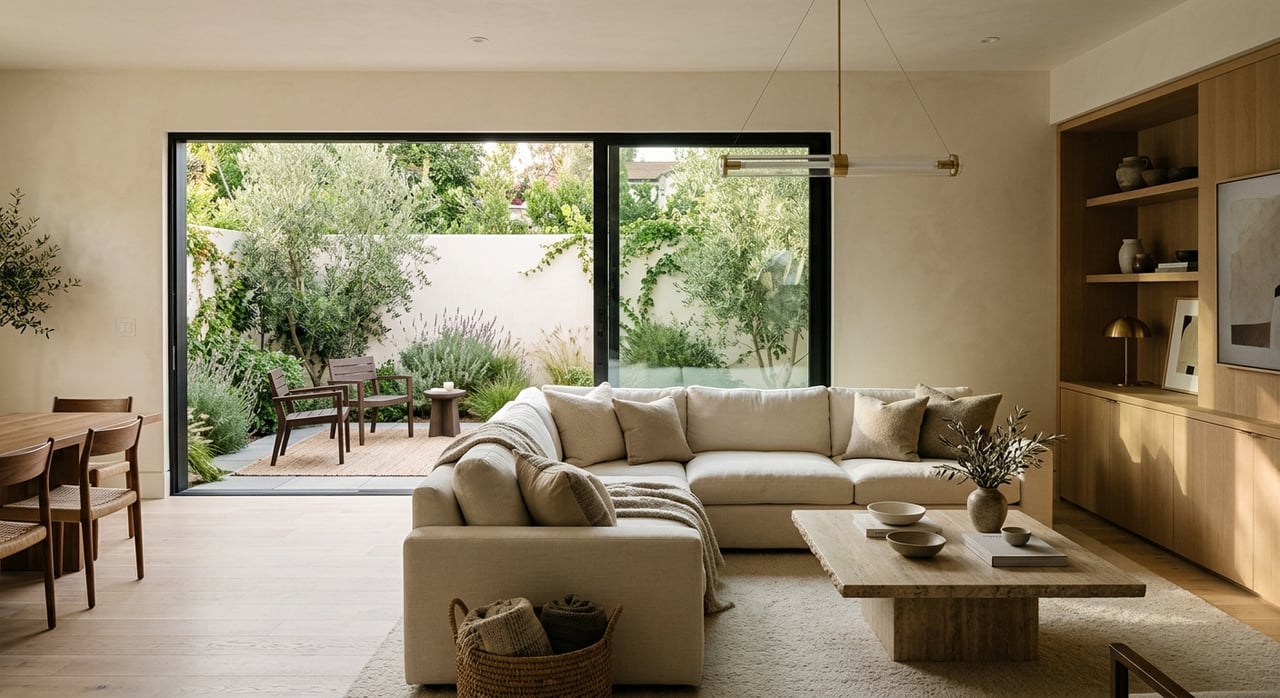
For many buyers, the most natural second-home option in Santa Barbara is a lock-and-leave property. That could mean a downtown pied-à-terre, a condo near the waterfront, or a smaller furnished home close enough to the harbor and State Street to keep daily life easy.
These formats match the city’s structure. Downtown, the Funk Zone, the waterfront, and the airport are relatively close together, so a home that supports quick arrivals and low-maintenance living often fits best.
If your goal is to arrive, unpack, and start enjoying the area right away, this kind of setup can feel especially efficient. It is less about square footage and more about access, ease, and flexibility.
If you expect to stay for extended periods or host friends and family often, a furnished single-family home may be a better fit. Outdoor living space, a guest room, and a comfortable office can matter more when the home will be used for full weeks or longer stretches.
This is less about one specific neighborhood and more about how the local lifestyle works. Santa Barbara’s climate supports outdoor use through much of the year, and the city’s leisure core is compact enough that dining and errands do not have to take over your schedule.
Some buyers want the wine-country experience first and the beach experience second. In that case, a property in the Santa Ynez Valley can create a different kind of second-home rhythm, with more space, more privacy, and easier access to vineyards and rural scenery.
That does not replace the Santa Barbara lifestyle. It simply shifts the center of gravity from waterfront time to wine-country time.
Second-home ownership is not only about the atmosphere. The practical side can shape how easy the property is to use.
For example, waterfront parking is paid, and some waterfront lots close between 2:00 a.m. and 6:00 a.m. If you are comparing homes, dedicated parking or a garage can carry real value, especially for a part-time owner who wants a simple arrival and departure routine.
If you are also considering occasional rental use, local rules need careful review. The City of Santa Barbara says stays of 30 consecutive days or less are subject to a 12% Transient Occupancy Tax plus a 2% TBID assessment, and short-term vacation rentals must comply with city permitting and zoning rules.
That means rental potential is not just a lifestyle question. It is also a local compliance issue that should be evaluated carefully before you buy.
At its best, second-home living in Santa Barbara feels compact, flexible, and easy to enjoy. You can start the day near the beach, work or relax from home, walk to lunch or dinner, and fit in a harbor outing or wine-country drive without turning the weekend into a production.
For many buyers, that is the real luxury. It is not just owning a beautiful place. It is having a home that works the moment you arrive and supports the way you actually want to spend your time.
If you are exploring a second home, furnished retreat, or investment-minded property along the Santa Barbara coast, working with a local advisor who understands lifestyle fit, turnkey inventory, and local rental considerations can make the search much more focused. When you are ready to talk through your goals, Danielle Darin offers thoughtful, design-forward guidance tailored to the way you want to live.
Stay up to date on the latest real estate trends.
Get assistance in determining the current property value, crafting a competitive offer, writing and negotiating a contract, and much more. Contact me today.