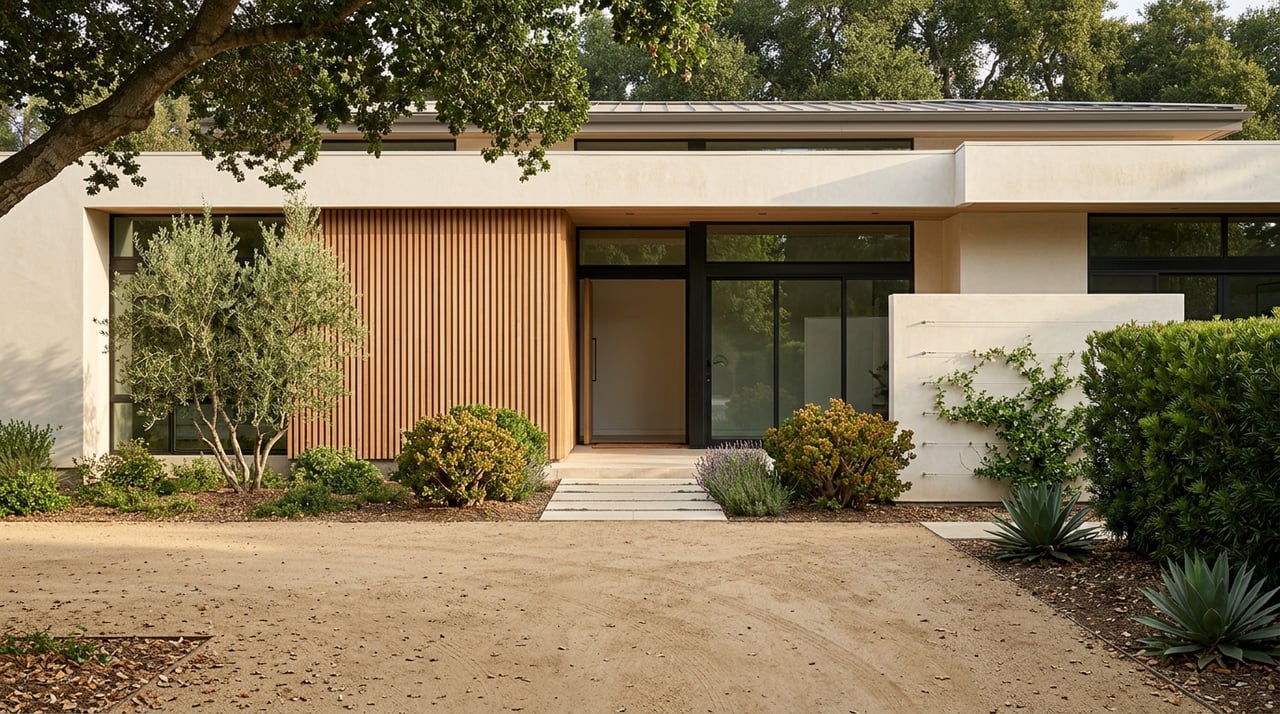
Montecito Neighborhood Guide for Discerning Luxury Buyers
April 23, 2026
April 23, 2026
If you search Montecito as if it were one single luxury market, you can miss the details that matter most. A home near the beach, a property close to the village, and an estate in the hills can deliver very different daily experiences, privacy levels, and property considerations, even when the price points look similar. This guide will help you compare Montecito’s core micro-markets so you can tour with more clarity, evaluate tradeoffs with confidence, and make a smarter luxury purchase. Let’s dive in.
Montecito is best understood as a collection of distinct sub-areas rather than one uniform market. According to the Santa Barbara County community area plans, local planning has long treated the central village, coastal strip, and mountain or foothill areas differently, with strong emphasis on privacy, views, landscaping, and neighborhood compatibility.
That distinction matters even more in a selective luxury market. Recent figures in the research report place Montecito’s broader market in the mid-$5 million to mid-$6 million range depending on source and timing, while some smaller pockets can sit far above that. In other words, your experience as a buyer can shift meaningfully based on the exact street, elevation, and setting.
The latest research shows a high-value market with relatively limited inventory and a wide range of pricing. Zillow placed Montecito’s average home value at about $5.34 million in spring 2026, while Realtor.com’s Montecito overview showed a February 2026 median listing price near $6.5 million.
The same research report also noted 78 homes for sale on Realtor.com, along with Santa Barbara Association of REALTORS data showing 52 active listings and 5.2 months of inventory for Montecito houses and PUDs in January 2026. For you as a buyer, that usually means selection exists, but the right property still requires careful comparison and disciplined offer strategy.
The Montecito community plan defines the coastal sub-area as the land between Highway 101 and the Pacific Ocean. Within that corridor, the plan describes a mix that includes cottages and duplexes in some sections, along with exclusive residential homes, hotel sites, and clustered residential development in others.
This is the part of Montecito many buyers picture first. It offers quick access to the shoreline, resort adjacency, and a strong sense of the area’s coastal lifestyle.
If you want morning beach walks, proximity to hotels, and easy access to Montecito’s most recognizable coastal settings, this area often rises to the top. The research report notes that Butterfly Beach and Miramar are major draws, and that Coast Village Road is about a five-minute walk from Butterfly Beach.
For second-home buyers and seasonal residents, this micro-market can also support a more turnkey daily rhythm. You may find it easier to move between the beach, dining, and nearby services without the longer drive times common in hillside locations.
Coastal convenience usually comes with more activity. Compared with uphill estate areas, you may see less privacy, more foot and car traffic, and more parking friction near popular beach access points.
The research also points to another practical factor: lower coastal drainages remain an active county planning concern for flood and debris-flow issues tied to creeks such as Montecito Creek, Oak Creek, San Ysidro Creek, and Romero Creek. If you are comparing homes in this area, location-specific review becomes especially important.
The county plan identifies the Village area as Montecito’s only commercial center within the central sub-area. At the same time, the broader central area remains largely semi-rural, with mostly single-family homes, many on one-acre-or-larger lots, alongside smaller cottage neighborhoods and historic estates.
For daily convenience, buyers often focus on three shopping and dining hubs named in the research report: Coast Village Road, the Upper Village near San Ysidro and East Valley Roads, and Montecito Country Mart. Coast Village Road is especially notable as a one-mile retail and dining corridor, even though it sits within Santa Barbara city limits rather than the Montecito planning area itself.
This micro-market tends to appeal to buyers who want a smooth everyday routine. If you value walkability, quick errands, nearby dining, and easier access to services, village-adjacent homes can be a strong fit.
This area can also make sense for relocating executives or part-time residents who want an easier landing in Montecito. You may give up some seclusion, but gain a more convenient and connected lifestyle pattern.
The main compromise is usually privacy and lot size. Compared with hillside and mountain estates, homes closer to the commercial core often sit on smaller parcels and in more active surroundings.
Pricing can also vary sharply within this category. The research report notes that in February 2026, Upper Village carried a median listing price of $12.575 million, while Coast Village had only two homes for sale. That kind of spread is exactly why broad Montecito averages do not tell the whole story.
The mountain sub-area extends from the Los Padres National Forest boundary north of Mountain and Bella Vista Drives. According to the community plan, this area includes mountainous terrain, average slopes above 40 percent, mostly open space, and very limited public road access and public services.
In practical terms, this is the classic privacy-and-view segment of Montecito. It is where many buyers look for larger parcels, stronger separation from neighbors, and a more estate-like setting.
If privacy is your top priority, the hillside market often delivers. These properties generally offer better odds of broad ocean, mountain, or community-wide view corridors, along with a quieter and more secluded feel than the beachside or village-adjacent areas.
For luxury buyers who want a retreat-like home with a strong landscape presence, this micro-market often aligns well with that goal. It can also be appealing if you are looking for a property with a more expansive estate character.
The advantages of views and separation often come with more property oversight. The county plan highlights grading, slope stability, vegetation, and visual impact as important design and land-use issues in these areas.
Wildfire preparedness is another key factor. The research report notes that Montecito Fire identifies the district as a certified Firewise community, offers defensible-space surveys, and works with Fire Hazard Severity Zone maps that classify areas as moderate, high, or very high hazard.
This is often the first filter for luxury buyers in Montecito. Coastal and village-adjacent homes typically support easier day-to-day living, while hillside properties more often offer privacy and distance from activity.
Your ideal answer depends on how you want the home to function. A full-time primary residence, a seasonal escape, and an investment-minded second home may each point to a different best fit.
Many of Montecito’s most dramatic views come from elevated sites. At the same time, those properties may involve more attention to slopes, landscaping, grading constraints, and defensible space.
That does not make hillside homes less appealing. It simply means the visual payoff often comes with additional maintenance and planning considerations.
Living close to the shoreline can be a major lifestyle advantage. You are nearer to beach walks, resort amenities, and some of Montecito’s most recognizable outdoor settings.
The tradeoff is that compact coastal areas can have limited facilities and parking, and lower drainage areas may require more scrutiny because of flood and debris-flow planning concerns. For many buyers, the right choice comes down to balancing convenience with site-specific risk review.
For buyers thinking about routine, commute patterns, or school location, boundaries can matter. The research report notes that Montecito Union School District is a one-school TK-6 district serving about 380 students, with boundaries that generally run north to the mountains and south to the ocean.
Even in a luxury market, practical details shape long-term satisfaction. It helps to compare not just the home itself, but also how the property fits your weekly rhythm.
In Montecito, a luxury offer should reflect more than square footage and finishes. The right pricing and terms often depend on exact location, elevation, access patterns, surrounding activity, and property-specific review items tied to the micro-market.
A coastal home may call for closer attention to flood or debris-flow context. A hillside estate may require deeper review of fire readiness, slope conditions, and access. A village-adjacent property may ask you to weigh walkability and convenience against traffic and lot size. That is why local block-by-block insight can make such a meaningful difference when you decide how aggressively to write.
The best Montecito purchase is not always the highest-priced home or the most famous street. It is the property that matches how you want to live, what level of privacy you need, and which tradeoffs feel worth it to you.
If you want help comparing Montecito’s beachside, village, and hillside options with a more tailored lens, Danielle Darin offers boutique guidance rooted in local market knowledge, design-forward insight, and a highly personalized luxury buying experience.
Stay up to date on the latest real estate trends.
Get assistance in determining the current property value, crafting a competitive offer, writing and negotiating a contract, and much more. Contact me today.