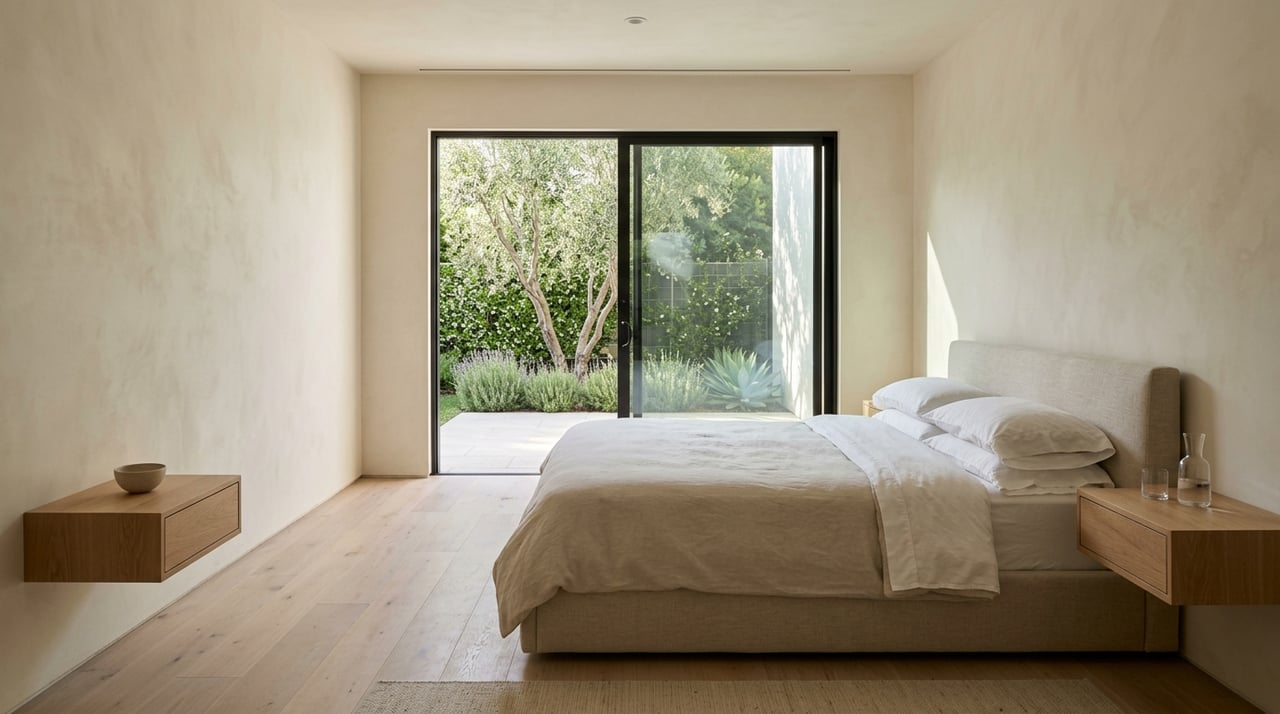
How to Set Up a High-Performing Santa Barbara Furnished Rental
April 16, 2026
April 16, 2026
Wondering whether your Santa Barbara home could become a furnished rental that actually performs well? The opportunity is real, but in this market, success starts with compliance, not furniture. If you want to explore nightly stays or a 31+ day furnished lease, this guide will help you think through the legal path, property fit, pricing basics, and setup priorities before you invest time or money. Let’s dive in.
In Santa Barbara, the first question is not how to furnish your home. It is whether your property can legally operate in the way you want.
Under current City rules, a short-term rental is a rental of a home, or part of a home, for 30 days or less. The City treats short-term rentals as a commercial or nonresidential use, and they are only allowed in zones where hotels are allowed. In single-unit and two-unit residential zones, they are prohibited under the current framework, according to the City’s short-term rental ordinance overview.
That matters because many owners assume a well-designed home, a second home, or even a primary residence can simply be listed for short stays. The City’s current materials do not support that assumption. In fact, the City noted on April 10, 2026 that it was still considering new ordinances and licensing standards for short-term rentals and homeshares, which means the rules are evolving.
For most homeowners, the best way to evaluate a furnished rental is to separate the opportunity into two different paths.
A short-term rental involves stays of 30 days or less. In Santa Barbara, this path requires careful review of zoning, registration, and ongoing compliance.
If a property is legally permitted for short-term rental use, the City requires registration and monthly remittance of Transient Occupancy Tax, which is 16% of monthly gross rents. That tax handling is part of the business model, not an afterthought.
A furnished lease of 31 days or more is a very different operating model. It shifts the conversation away from transient tax collection and toward lease structure, tenant management, and furnishing for longer stays.
This can be an especially useful path in Santa Barbara because it may align better with the needs of relocators, seasonal residents, or extended-stay occupants. It also avoids treating every furnished rental decision as a nightly-rental strategy.
Santa Barbara is not a market where owners should test the rules casually. The City launched a Short-Term Rental Enforcement Program on August 1, 2023, and states that illegal short-term vacation rentals are unlawful unless permitted and located in hotel-allowing zones.
The City also says it can proactively enforce missing business tax certificates and transient occupancy tax compliance. That makes legal review a necessary first step before design upgrades, photography, marketing, or platform setup.
Even if you are interested in a legal short-term rental path, not every home is equally suitable. In Santa Barbara, the strongest candidates tend to be properties that already have a clear legal path, enough on-site parking, and minimal need for exterior changes that could trigger more review.
The City’s planning handout highlights several practical constraints that can affect feasibility. These include zoning, parking standards, coastal permitting, and the level of planning review tied to unit size.
Santa Barbara’s standards for short-term rental conversions are hotel-like. The City states that parking may be required at one space per guestroom or sleeping unit, with each bedroom counted as a sleeping unit.
That means a beautiful home with limited on-site parking may be harder to position for legal short-term use. Turnaround space, guest arrival flow, and the overall site plan can also influence whether a property is practical.
Larger homes may require additional planning review. According to the City checklist, units between 1,001 and 3,000 square feet may need development plan or design review, while units over 3,000 square feet may require Planning Commission approval.
For higher-end homes in Santa Barbara, that is an important consideration. Luxury scale can be attractive from a rental-performance standpoint, but it may also add complexity on the approval side.
If your property is in the coastal zone, a Coastal Development Permit is required. That is another reason it helps to evaluate the property holistically before making furnishing or income projections.
The City also states that properties with an ADU or JADU may not be rented for less than 31 consecutive days. For some owners, that single rule may immediately point the strategy toward a longer furnished lease instead of a nightly model.
One of the easiest mistakes homeowners make is assuming City rules apply everywhere nearby. They do not.
If your property is outside Santa Barbara city limits, the City’s own checklist says you should contact the relevant jurisdiction, such as the County. That distinction is important for owners in the broader Santa Barbara area, where local rules may differ by location.
It is tempting to start by estimating rent from general housing data, but that can lead you off course. Santa Barbara’s 2025 South Coast rent survey is useful as a baseline for unfurnished long-term housing, but it explicitly excluded furnished and short-term listings.
Within the City, the survey reported median asking rents in April 2025 of $4,675 for 2-bedroom houses, $6,725 for 3-bedroom houses, and $7,900 for 4+ bedroom houses. Those figures help frame the long-term market, but they are not direct furnished-rental comps.
For a furnished home, pricing should reflect:
In other words, furnishing can add value, but the premium should be built from relevant furnished comps and operational realities, not from the City rent survey alone.
Santa Barbara has meaningful demand drivers for furnished housing. The City reported $35.2 million in fiscal year 2025 transient occupancy tax revenue, including about $4 million from short-term rentals, and Santa Barbara Airport handled 1,418,996 passengers in 2024, according to the City’s tax results release.
Those numbers suggest sustained visitor and travel activity, which can support furnished housing demand. But they do not mean every home should be positioned for short stays. The better takeaway is that Santa Barbara has a real audience for well-located, legally compliant furnished homes, whether for visitors, relocators, or extended-stay occupants.
Once the legal path is confirmed, your design choices should match the type of renter you want to attract. A home intended for shorter stays needs a different operating rhythm than one designed for month-plus occupancy.
For shorter stays, your setup has to support frequent arrivals, faster linen turnover, durable finishes, and a clear guest-ready layout. For 31+ day furnished leases, comfort, storage, workability, and ease of day-to-day living usually become more important.
In Santa Barbara’s upper-end market, design still matters on both paths. Clean presentation, cohesive furnishings, and a turnkey feel can improve appeal, but they work best when they support the property’s legal use and target stay length.
A high-performing furnished rental is not just a beautiful listing. It is a system.
For stays under 30 days, your pricing has to absorb more than aesthetics. It should account for the City’s 12% TOT, registration requirements, turnover costs, inventory wear, maintenance response, and ongoing compliance. For longer furnished leases, pricing should focus more on lease structure, included furnishings, utilities, and longer-term management.
That is why the strongest owners do not start with a revenue number and work backward. They start with the legal framework, operating demands, and property fit, then set pricing that is realistic and sustainable.
In Santa Barbara, operational support should be viewed as part of the asset strategy. The moving parts can include permit review, tax registration, occupant screening, cleaning coordination, linen turnover, maintenance response, inventory tracking, and compliance monitoring.
When those details are handled well, the home is better positioned to perform consistently and protect its condition over time. When they are handled poorly, even a beautiful property can create friction, risk, and lost income.
If you are seriously considering a furnished rental conversion, the City recommends beginning with a Planner Consultation. That is the most practical first move if your goal is a legal short-term rental in Santa Barbara.
From there, you can make smarter decisions about furnishing level, stay length, pricing strategy, and management structure. The strongest results usually come from this order: verify legality first, design second, price third, and launch last.
If you want help evaluating whether your Santa Barbara property is better suited for a legal short-term rental or a 31+ day furnished lease, Danielle Darin offers a design-aware, market-savvy approach tailored to the greater Santa Barbara coast.
Stay up to date on the latest real estate trends.
Get assistance in determining the current property value, crafting a competitive offer, writing and negotiating a contract, and much more. Contact me today.