Thinking about unlocking steady income and flexible living with a backyard home in Goleta? ADUs can be a smart move, but the rules, timelines, and costs can feel complex, especially near the coast. This guide simplifies what to check, how the permit process works, and how to plan your budget so you can move from idea to income with confidence. Let’s dive in.
ADUs in Goleta: What you can build
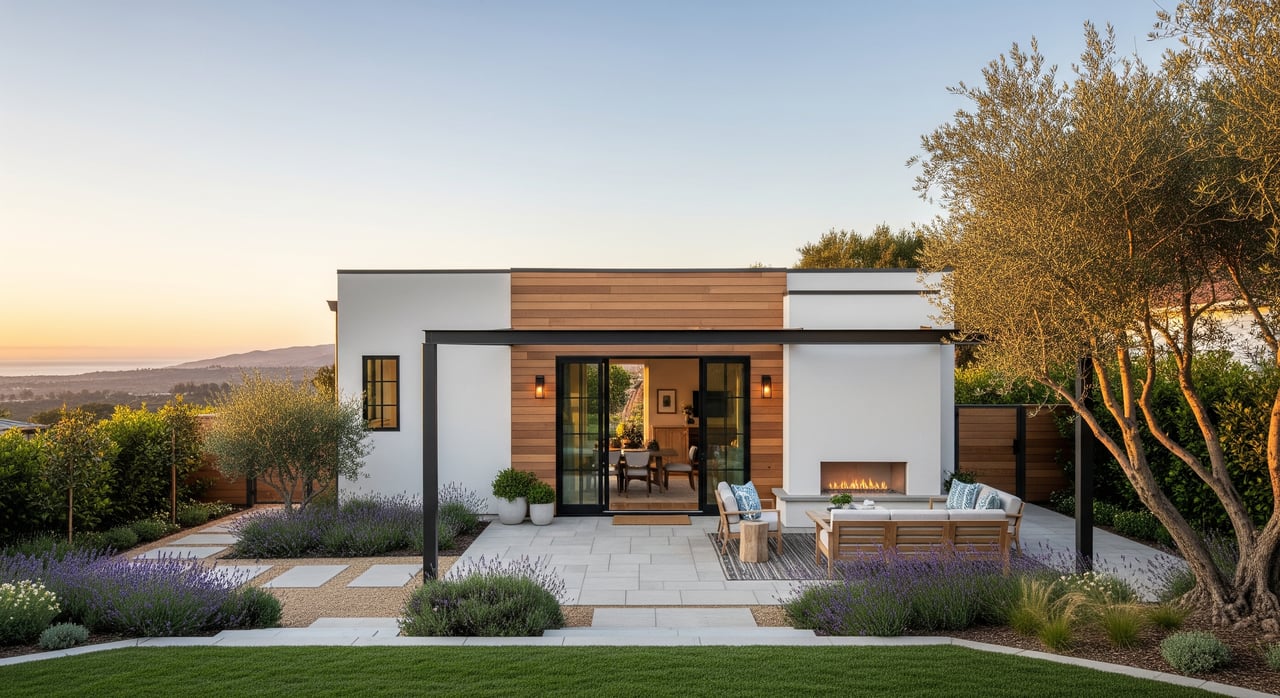
Accessory Dwelling Units (ADUs) and Junior ADUs (JADUs) are permitted in Goleta under California state law and the city’s local standards. Most single-family lots can add at least one ADU, and many multifamily properties can add multiple units, subject to site constraints. You can build a detached backyard cottage, attach an addition to your home, or convert existing space like a garage or attic.
State law sets the foundation, and local code provides the details. For parcel-specific guidance, start with a call or inquiry to the City of Goleta Planning. For broader ADU context, review state resources at the California Department of Housing and Community Development and the text of the statutes via the California Legislative Information site.
Quick site check: Can your lot host an ADU?
Before sketching floor plans, confirm the basics:
- Zoning and land use. Verify your parcel’s zoning and land use designation with the City of Goleta. This shapes size, placement, and design rules.
- Coastal Zone status. Parts of Goleta lie in the California Coastal Zone. If your lot is inside the zone, expect additional review. Check maps and policies through the California Coastal Commission.
- Setbacks, lot coverage, and height. ADUs often have more flexible setbacks than main homes, but you need to confirm the exact numbers for your parcel.
- Lot slope and grading. Steep terrain, retaining walls, or drainage issues can trigger engineering and grading permits.
- Sewer vs. septic. If you are on septic, bedrooms and new units can require system upgrades. Coordinate early with the City and the County.
- Parking and access. Many cities require one space per ADU unless exemptions apply, and some allow tandem parking. Confirm how this applies on your street and lot.
- Rental strategy. Long-term rental is common, but short-term rules vary by city. If you plan to use the unit for vacation rental income, confirm Goleta’s policy before you design the space.
Size, height, and setbacks: What to verify
ADU types and sizes vary by project and lot. JADUs typically cap at 500 square feet because they are conversions of existing interior space. Detached ADUs in California often range up to 1,200 square feet in many jurisdictions. Some cities also allow reduced side and rear setbacks, with a few allowing as little as four feet. These are general patterns under state law, not Goleta-specific standards. Always verify current Goleta limits, height allowances, and design rules for your parcel with Planning.
If your property sits near sensitive habitat or in the Coastal Zone, additional limits on height, grading, and visual impacts may apply. Early clarity here can save redesigns later.
Coastal Zone: extra steps and time
If your property is within the Coastal Zone, your ADU may require a Coastal Development Permit. That review adds steps focused on protecting coastal resources like views, bluffs, public access, and sensitive habitat. You may need site photos, environmental or coastal resource assessments, and public noticing.
Expect longer timelines when a coastal permit is required, and be prepared for additional conditions or design changes. For coastal policies, maps, and permitting guidance, review the California Coastal Commission and confirm process details with the City of Goleta.
Permits and timeline in Goleta
Every site is unique, but most ADU projects follow this general path:
- Pre-application with Planning. A short call or consult with the City helps confirm zoning, coastal status, parking approach, and key constraints.
- Feasibility and concept design. Prepare a simple site plan and floor plan, check utilities, and identify potential fees. On septic or sloped sites, bring in soils or geotechnical input early.
- Formal submittal. Submit the ADU application and building permit package. Coastal Zone parcels often require coastal materials at the same time.
- Completeness review. The City confirms your application is complete or requests corrections.
- Plan check. Under state ADU law, many approvals are ministerial, which means no hearings, but technical reviews by planning, building, fire, and public works still apply.
- Permit issuance. Pay fees and secure the building permit.
- Inspections and final. Schedule inspections during construction and obtain final approval for occupancy.
Typical timelines to plan for:
- Pre-application and feasibility: 1 to 4 weeks.
- Plans and application prep: 2 to 8 or more weeks, depending on scope and consultants.
- City completeness and plan check: 4 to 12 weeks, sometimes faster for ministerial ADUs.
- Coastal permit review: add months, sometimes longer if state-level review is involved.
- Construction: 1 to 3 months for small conversions; 4 to 9 or more months for new detached builds, depending on complexity and contractor availability.
State law sets time limits and streamlines review for many ADUs, but coastal permits and environmental steps can extend schedules. For state-level rules and updates, check the California Department of Housing and Community Development.
Budget and financing: plan a clear runway
Every ADU has multiple cost layers. Plan for design and engineering, permits and plan check, utility connection fees, site work and grading, foundation and structure, electrical, plumbing, HVAC, interior finishes, landscaping, and inspections. On septic, factor in system evaluations and potential upgrades.
Common budget ranges in California markets:
- Small conversions, including JADUs and garage conversions: tens of thousands to low six figures, often around 20,000 to 120,000 dollars depending on scope.
- Detached ADUs: construction-only costs often vary from roughly 150 to 400 or more dollars per square foot for basic to mid-level finishes. Total project budgets, once you add design, permits, site work, and contingencies, can be significantly higher.
Properties on steep slopes, coastal parcels, or those with septic systems can add meaningful extra costs for consultants, retaining walls, stabilization, or system replacement. Obtain at least two or three local estimates.
Financing options typically include cash, construction loans, home equity lines of credit, and renovation loans like FHA 203(k) or Fannie Mae HomeStyle. Some programs may offer incentives for certain income-restricted or affordable ADUs. Review statewide resources through the California Department of Housing and Community Development and connect with the City for local programs.
Parking, utilities, and access
Parking rules depend on your parcel and location. State law allows exemptions in certain situations, such as proximity to transit or historic areas, but many cities still require one on-site space per ADU unless an exemption applies. Tandem spaces may be allowed. Confirm whether garage conversions require replacement parking in Goleta and how that can be provided on your lot.
For utilities, check early whether you are on sewer or septic. Lots connected to sewer typically must connect the ADU as well and may owe impact or connection fees. Separate meters are not always required and policies can vary. On septic, added bedrooms often trigger capacity reviews or upgrades. Coordinate with the City and, if relevant, with County departments via Santa Barbara County.
Rental strategy and compliance
Long-term rental is a common use for ADUs and a straightforward income path for many owners. Short-term rental rules are local and can change, especially in coastal communities. If your plan includes a furnished or vacation rental, verify Goleta’s policy and any registration or licensing steps with the City before you invest in high-end finishes or built-ins.
Owner-occupancy rules have been limited under state law for many ADUs, though implementation can vary, particularly for JADUs. Also plan for potential impacts on assessed value and insurance. It is wise to consult the County Assessor on reassessment and update your homeowner policy. If you intend to rent, consider appropriate landlord coverage.
When to bring in experts
- City of Goleta Planning. Start here for zoning, coastal status, and application requirements.
- Designer or architect. Translate constraints into a code-compliant layout and efficient permitting set.
- Structural engineer. Needed for new structures or conversions that alter existing framing.
- Civil or geotechnical engineer. Important on sloped lots, retaining walls, drainage, or septic design.
- Septic consultant and County Environmental Health. Required if not on sewer.
- Coastal planner or land use attorney. Valuable for Coastal Zone parcels and projects near bluffs or sensitive habitat.
- Local contractor with ADU experience. Get realistic pricing, durations, and phasing plans.
- Tax and rental advisor. Align your income, depreciation, and occupancy strategy with local rules.
Start smart: your next steps
- Confirm zoning, Coastal Zone status, sewer vs. septic, and basic site constraints with the City.
- Outline your use case. Decide if your priority is long-term rental, multigenerational living, or a potential short-term rental, then confirm local rules.
- Set a preliminary budget range and funding plan. Include a contingency line.
- Engage a designer and contractor for early cost and feasibility input. Start with a simple concept plan and utility check.
- Plan your permit path. If in the Coastal Zone, schedule extra time and assemble the right team.
When you are ready to turn a great lot into an income-ready asset, reach out to a trusted local advisor. For design-forward, investment-minded guidance across the Santa Barbara coast, connect with Danielle Darin to schedule a free consultation.
FAQs
How do I confirm if my Goleta property is in the Coastal Zone?
What is the general ADU permit timeline in Goleta?
- Many ministerial ADUs move through plan check in 4 to 12 weeks after a complete submittal. Coastal permits can add months. Construction can range from 1 to 3 months for small conversions and 4 to 9 or more months for detached builds.
How much does a detached ADU typically cost?
- Construction-only costs in California markets often range from about 150 to 400 or more dollars per square foot, with total project budgets higher once design, permits, site work, utilities, and contingencies are included.
Do I need on-site parking for an ADU in Goleta?
- Many cities require one space per ADU unless state law exemptions apply, and some allow tandem parking. Confirm Goleta’s current rules for your address with Planning.
Can I rent my ADU as a short-term vacation rental?
- Short-term rental policies are local and can change. If STR income is part of your plan, verify the current policy and any licensing steps with the City of Goleta before you build.
Will I need a new sewer connection or meter for the ADU?
- If your lot is on sewer, a connection is typically required and impact or connection fees may apply. Separate meters are not always required. If on septic, a capacity review or upgrade may be needed.
Can I convert my garage into an ADU in Goleta?
- Garage conversions are a common ADU path. Some cities require replacement parking or allow exemptions. Confirm the specifics for your street and lot with the City.
Do ADUs require owner occupancy in Goleta?
- State law has limited owner-occupancy requirements for many ADUs, though local implementation can differ, especially for JADUs. Check with Planning to confirm current rules.
Where can I find official ADU guidance and laws?