Just moved into a Santa Barbara home and wondering what to do with the lawn, irrigation, and all those acronyms like WELS or MWELO? You are not alone. Between local rules and fast‑changing rebates, it can feel complicated to start a landscape makeover the right way.
You want a beautiful, low‑maintenance outdoor space that fits our coastal climate and uses water wisely. You also want to avoid delays at permit time and capture every rebate you can. This guide gives you a clear, practical path to both.
Below, you will learn what WELS means in Santa Barbara, how to tell if your project requires submittals, which upgrades save the most water, and where rebates typically come from. You will also get an easy checklist to follow from day one. Let’s dive in.
What WELS means in Santa Barbara
Water Efficient Landscape Standards, often called WELS, draw from California’s Model Water Efficient Landscape Ordinance, or MWELO. MWELO sets the technical approach for water budgets and irrigation efficiency. Local agencies then adopt and enforce it through their planning and building processes.
In the City of Santa Barbara, landscape efficiency rules are enforced through municipal codes and the plan check process. If your project meets local thresholds, you will submit a landscape plan, irrigation plan, and water‑budget calculations for review. Properties outside city limits may follow different rules through the County or other jurisdictions, so always confirm your address and applicable agency first.
The key takeaway: MWELO supplies the framework, but the City of Santa Barbara’s Planning and Water Resources teams decide when you must comply, what you must submit, and how projects are reviewed.
When WELS applies
Projects that often trigger WELS include new construction, substantial landscape remodels, or significant irrigation retrofits. Small plant swaps or routine maintenance may not require formal submittals. Because thresholds and forms change, confirm requirements with the City of Santa Barbara Planning and Building teams before you begin design or demolition.
Water‑budget basics made simple
Under WELS/MWELO, your landscape receives an annual water budget based on local weather data and the kinds of plants you select. Designers group plants into hydrozones by water need, then size and tune irrigation so the estimated water use stays within the allowed budget.
What you can do:
- Use mostly low‑water and native plant hydrozones.
- Keep any higher‑water features compact and grouped together.
- Size irrigation correctly so application rates match plant needs and soil conditions.
Design choices that pass review
- Favor low‑water, climate‑appropriate plants for the majority of the yard.
- Minimize nonfunctional turf. If you keep lawn, limit it to a small, purposeful area and irrigate efficiently.
- Apply mulch to reduce evaporation and improve soil health.
- Plan clear hydrozone maps and planting lists that identify water needs for each area.
Irrigation that saves water
WELS emphasizes irrigation efficiency and the right hardware. In practice, this means:
- Drip irrigation for low‑water planting beds where practical.
- High‑efficiency spray nozzles with matched precipitation rates if spray is used.
- Pressure regulation, appropriate precipitation rates, and accurate flow data.
- Weather‑based or soil‑moisture‑based smart controllers with seasonal programming.
- Rain or moisture sensors to prevent watering during or after storms.
If you are remodeling an existing system, consider a full tune‑up: convert spray to drip where possible, swap to efficient nozzles, add pressure regulation, and install a smart controller that adjusts schedules automatically.
Planting and soil practices that work here
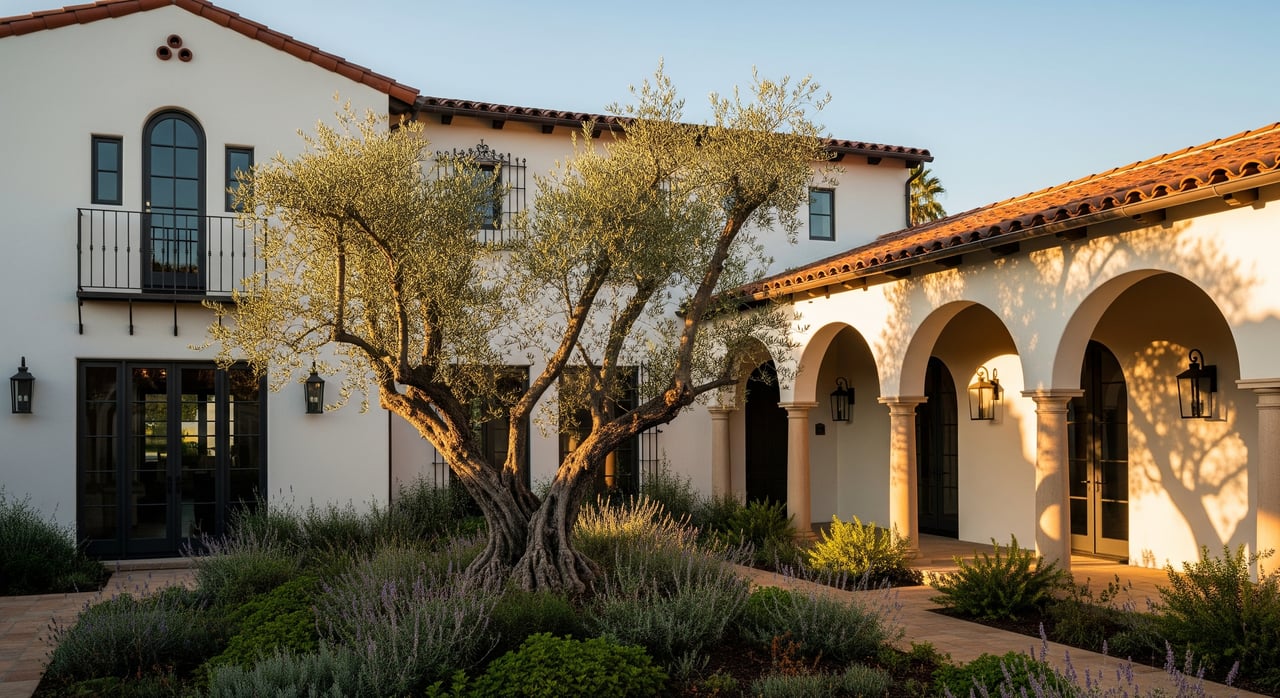
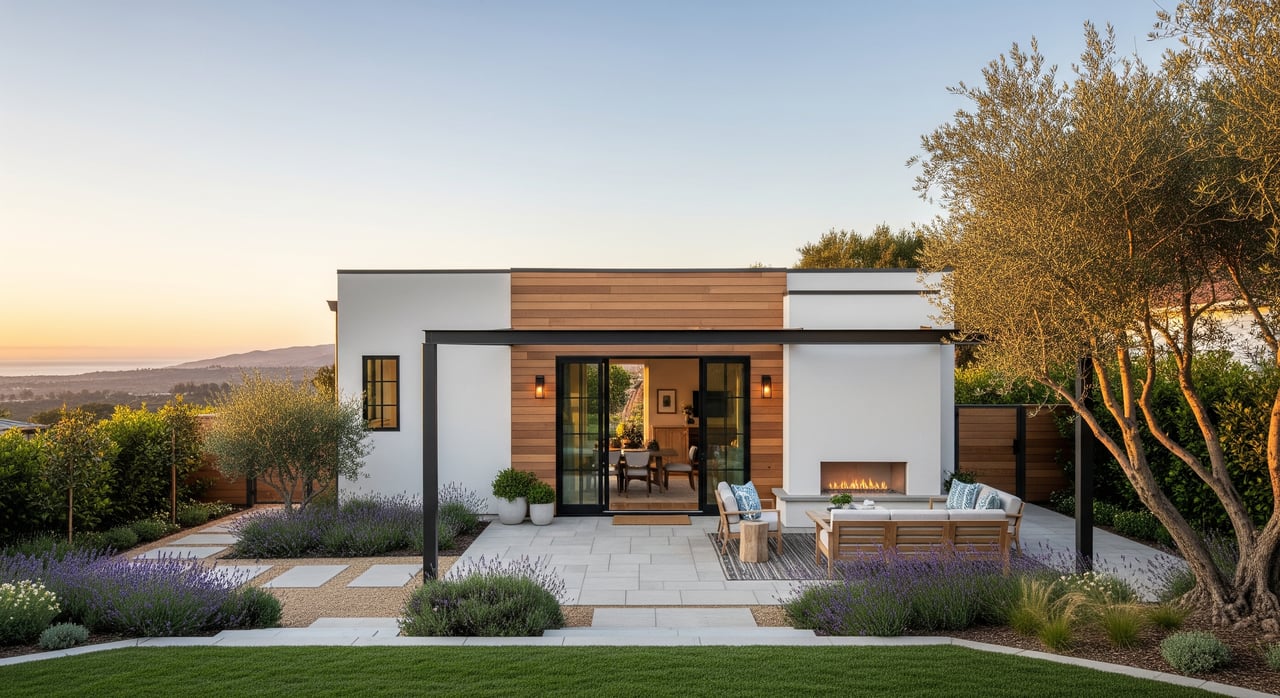
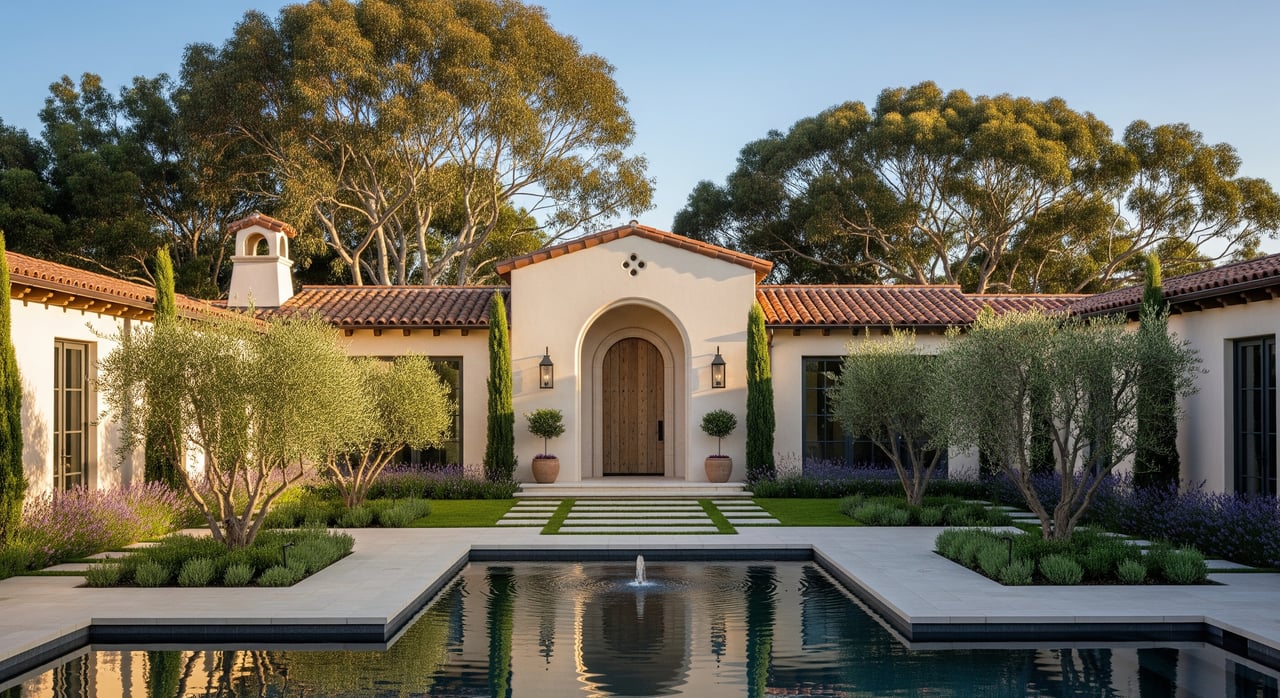
Santa Barbara’s coastal climate favors Mediterranean and California native species that are naturally adapted to dry summers and wet winters. Look for sages, manzanita, Ceanothus, California fuchsia, drought‑tolerant grasses like Muhlenbergia, succulents, lavender, rosemary, and low‑water groundcovers.
Before planting, consider soil preparation where appropriate to improve infiltration and water holding. Top your planting beds with mulch to reduce evaporation and suppress weeds. These simple steps make a meaningful difference in both water use and long‑term maintenance.
Paperwork and permitting cheat sheet
If your project meets local thresholds, you will likely need to prepare:
- Scaled landscape plan with hydrozones and plant list
- Irrigation plan showing controller type, zones, and precipitation rates
- Water‑budget calculation using local reference evapotranspiration and plant factors
- Soil management notes and mulch specifications
- Grading plan if earthwork is proposed
- Certificate of landscape completion signed by the installing professional after installation
Pro tip: Even if your project is small, keep records. Clear documentation helps with rebates and future maintenance.
Santa Barbara rebates at a glance
Rebates change often, but here are common incentives you will see across the Santa Barbara area:
- Turf removal or lawn replacement payments per square foot
- Smart irrigation controller rebates, typically for WaterSense‑certified models
- High‑efficiency nozzle and drip conversion incentives
- Rain garden, bioretention, or stormwater capture support
- Rain barrel or cistern rebates when available
Where to check for current programs:
- City of Santa Barbara Water Resources and Planning/Building
- Santa Barbara County Water Agency
- Your water provider, such as Montecito Water District, Goleta Water District, Carpinteria Valley Water District, City of Santa Barbara Water, or Santa Ynez River Water Conservation District where applicable
- County Flood Control or watershed programs for rain garden or stormwater capture resources
- UC Cooperative Extension, Master Gardeners, and native plant groups for plant and irrigation guidance
Key reminders:
- Many turf removal programs require pre‑approval before you touch the lawn.
- Expect to provide before and after photos, receipts, and sometimes a post‑installation inspection.
- You can often combine turf removal with smart controller and drip rebates. Confirm stacking rules.
- Funds are limited. Apply early and know your processing timeline.
Step‑by‑step: Your first 30 days
Follow this quick plan to stay compliant and capture incentives.
Step 0: Confirm address and water provider
- Verify whether your property is inside the City of Santa Barbara or in unincorporated county.
- Identify your water provider from your bill or closing papers and bookmark their rebate page.
Step 1: Check if WELS applies
- If you are planning new construction, a major landscape remodel, or an irrigation retrofit, contact the City or County to confirm thresholds and required forms.
- If the work is minor, you may not need formal submittals. Always confirm.
Step 2: Apply for rebates before you start
- Review available turf removal, smart controller, drip, and stormwater capture incentives.
- Submit any required pre‑approval forms before removing grass or purchasing equipment.
Step 3: Hire WELS‑savvy professionals
- Engage a landscape designer or landscape architect and an irrigation contractor experienced with WELS/MWELO.
- Ask for a scope that includes water‑budget calculations and complete submittal documentation.
Step 4: Use compliant design principles
- Map hydrozones and keep high‑water areas small and grouped.
- Choose native and Mediterranean plants suited to the coast.
- Specify drip where practical, efficient spray nozzles where needed, and a smart controller with rain or soil sensors.
- Include soil prep and mulch notes on the plan.
Step 5: Install, certify, submit
- Build per approved plans and schedule any required inspections.
- Obtain a signed certificate of completion from your installing professional if required.
- Submit rebate documentation promptly to stay within program timelines.
Step 6: Maintain and tune
- Reprogram your controller seasonally and run an irrigation audit at least once a year.
- Keep plants pruned to preserve hydrozone boundaries and efficiency.
Documents to keep on hand
- Scaled plans and hydrozone maps
- Plant list with botanical names and water‑use classification
- Irrigation equipment list and controller model
- Receipts, paid invoices, and contractor completion certificates
- Before and after photos
- Water‑budget calculation, if required
Pro tips for luxury and rental properties
- Choose a smart controller with remote access so you or your property manager can adjust schedules from anywhere.
- Set up seasonal reminders to update watering times and check sensors.
- Opt for durable, low‑maintenance plant palettes that photograph well and withstand guest use.
- Keep a simple landscape binder with plans, warranties, and controller login details so estate staff can operate systems smoothly.
Avoid common pitfalls
- Starting turf removal before pre‑approval. This can void rebates.
- Installing new spray irrigation in beds where drip would be more efficient.
- Forgetting hydrozone maps and plant documentation for submittals.
- Misplacing receipts and photos needed for rebate verification.
Ready to plan your landscape?
A water‑smart, design‑forward landscape protects your investment, looks beautiful year‑round, and supports local conservation. If you are buying, selling, or preparing a second home or furnished rental in the Santa Barbara area, align your outdoor plan with local rules from day one. For neighborhood‑level guidance and introductions to trusted landscape and irrigation pros, connect with Danielle Darin and schedule a free consultation.
FAQs
Do Santa Barbara homeowners need a permit to remove a lawn?
- Small aesthetic changes often do not, but many turf removal rebates require pre‑approval and larger projects can trigger landscape submittals, so confirm before starting.
Are smart irrigation controllers required in Santa Barbara?
- Many regulated projects must include controllers with seasonal programming and rain or soil‑moisture sensing, and smart models are commonly eligible for rebates.
Can I remove all turf and still meet the code?
- Yes, nonfunctional turf removal is encouraged and often incentivized; just follow any rebate pre‑approval steps and ensure the new design meets water‑budget standards.
Which plants are good for Santa Barbara’s coastal climate?
- Look for Mediterranean and California natives such as sages, Ceanothus, manzanita, California fuchsia, drought‑tolerant grasses, succulents, lavender, and rosemary.
Who can help with WELS water‑budget calculations?
- Hire a landscape architect, licensed landscape contractor, or irrigation specialist experienced with MWELO/WELS; some local water providers also offer technical help.