Should You Sell Your Santa Barbara Home Furnished?
June 11, 2026
June 11, 2026
Wondering whether you should leave the furniture behind when you sell your Santa Barbara home? In a market where presentation can shape first impressions quickly, that decision can affect how buyers experience your property and how smooth your sale feels from start to finish. If you are weighing convenience, value, and timing, this guide will help you think through when a furnished sale makes sense, where the risks are, and how to approach it strategically. Let’s dive in.
Santa Barbara remains a tight market by recent local measures. At the end of 2025, the South Coast had 2.9 months of inventory and 216 MLS listings from Carpinteria to Goleta, while a March 2026 market snapshot described Santa Barbara as a seller’s market with 337 homes for sale, a median listing price of $2,499,500, and 47 median days on market.
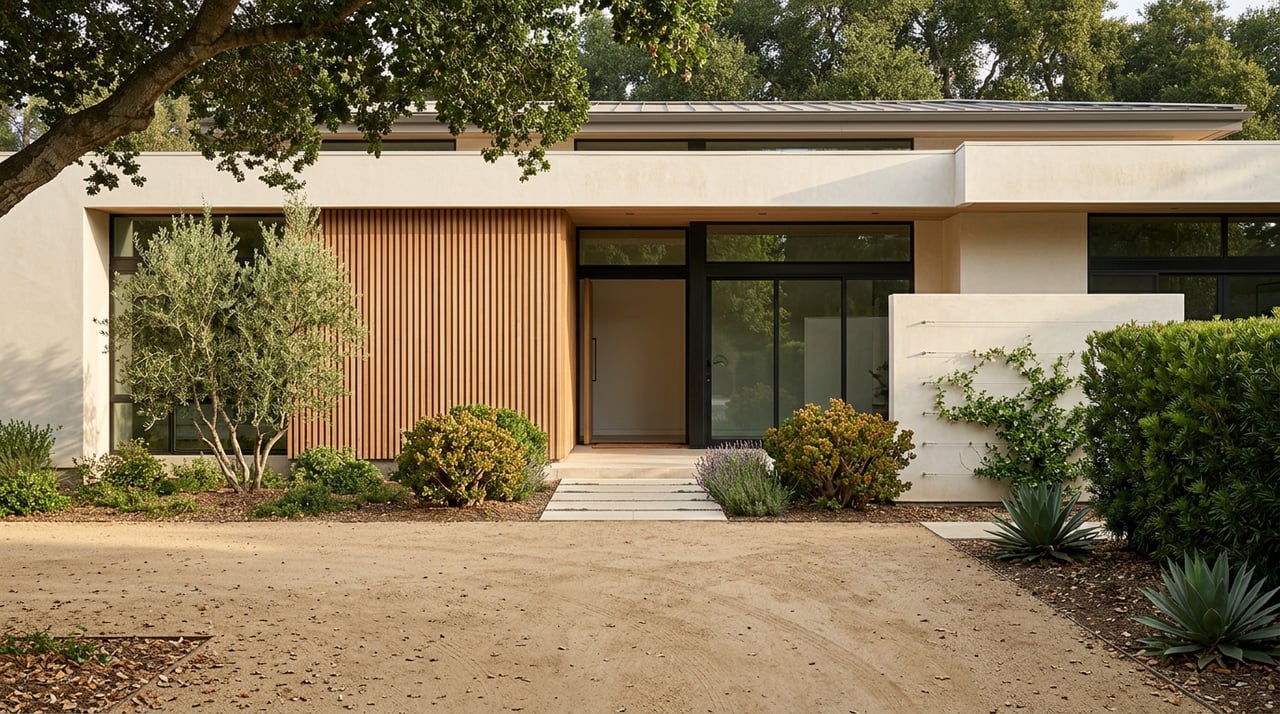
In a market like this, buyers often respond strongly to homes that feel polished and move-in ready. That does not mean every seller should list furnished, but it does mean your home’s presentation can be part of its value story, especially if the interior design already supports the lifestyle buyers expect in Santa Barbara.
A furnished sale does not mean the furniture automatically becomes part of the real estate. In California, furniture is generally considered personal property, not real property. That distinction matters because the home itself and the furnishings are not treated the same way in the transaction.
Santa Barbara County recording procedures include a Documentary Transfer Tax Affidavit and a Preliminary Change of Ownership Report. Those forms do not prevent a furnished sale, but they do reinforce the need to clearly separate the real estate transfer from any personal-property component.
In practical terms, if you want to include furniture, you need a clear plan for what stays, what goes, and how those items are documented. The more detailed the furnishings package, the more important it is to keep the paperwork clean and specific.
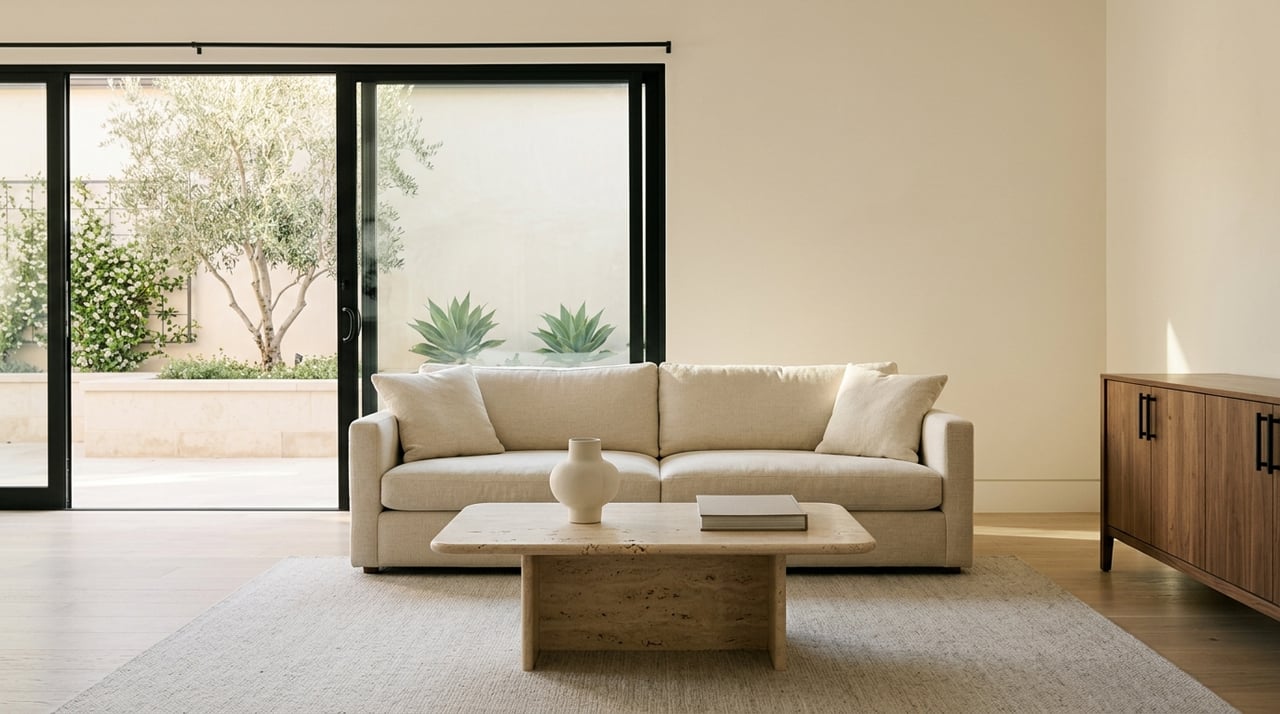
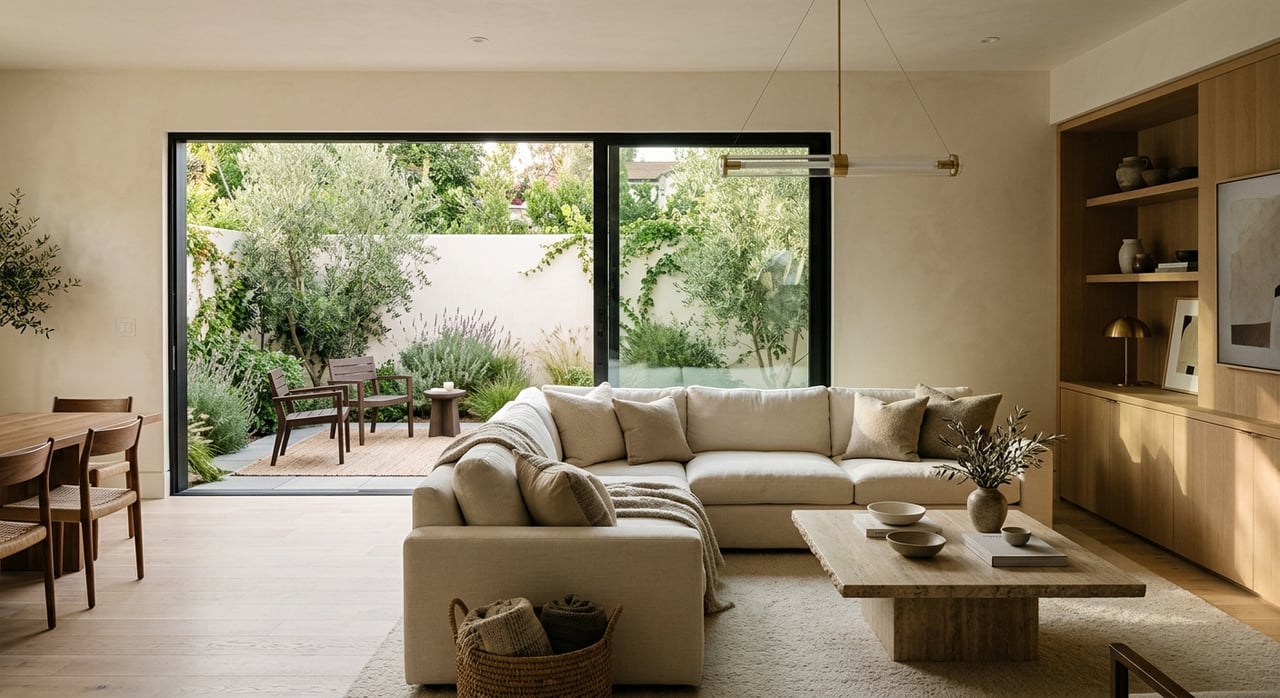
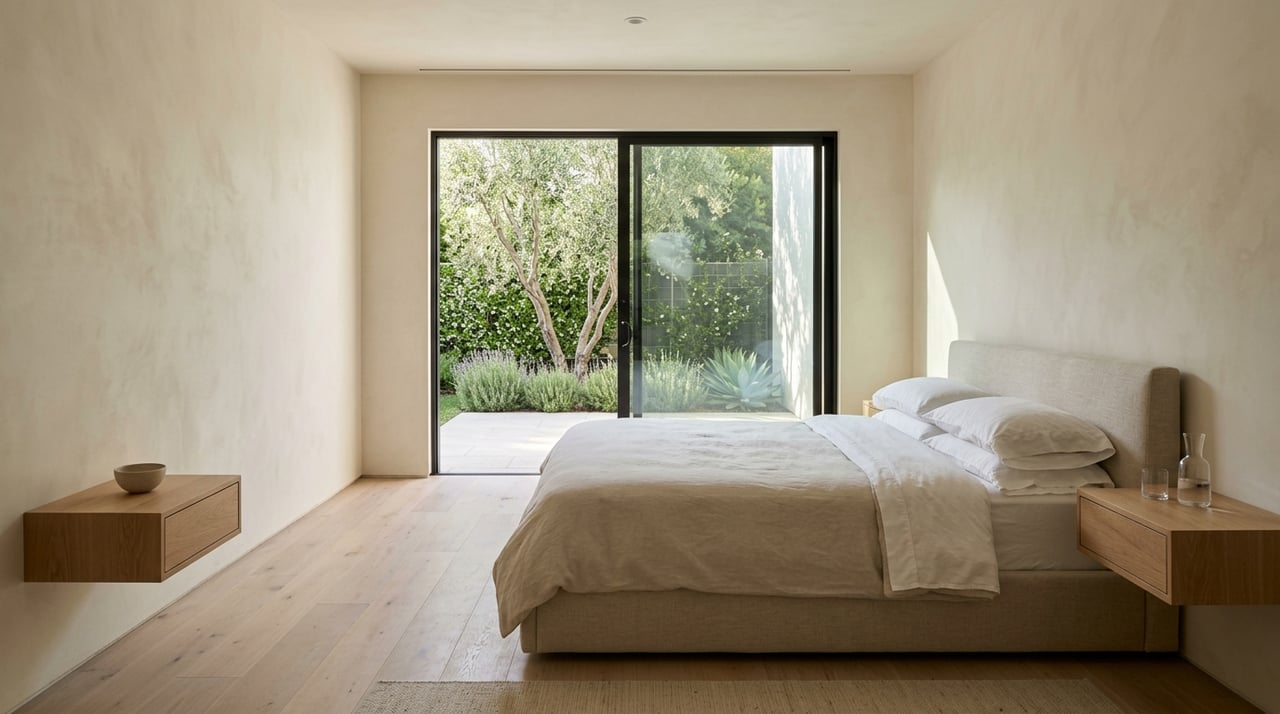
For the right property, selling furnished can make your listing feel complete from the moment buyers walk in. Staging research from 2025 found that 83% of buyers’ agents said staging made it easier for buyers to visualize the property as a future home. The living room, primary bedroom, and kitchen were ranked as the most important spaces to stage.
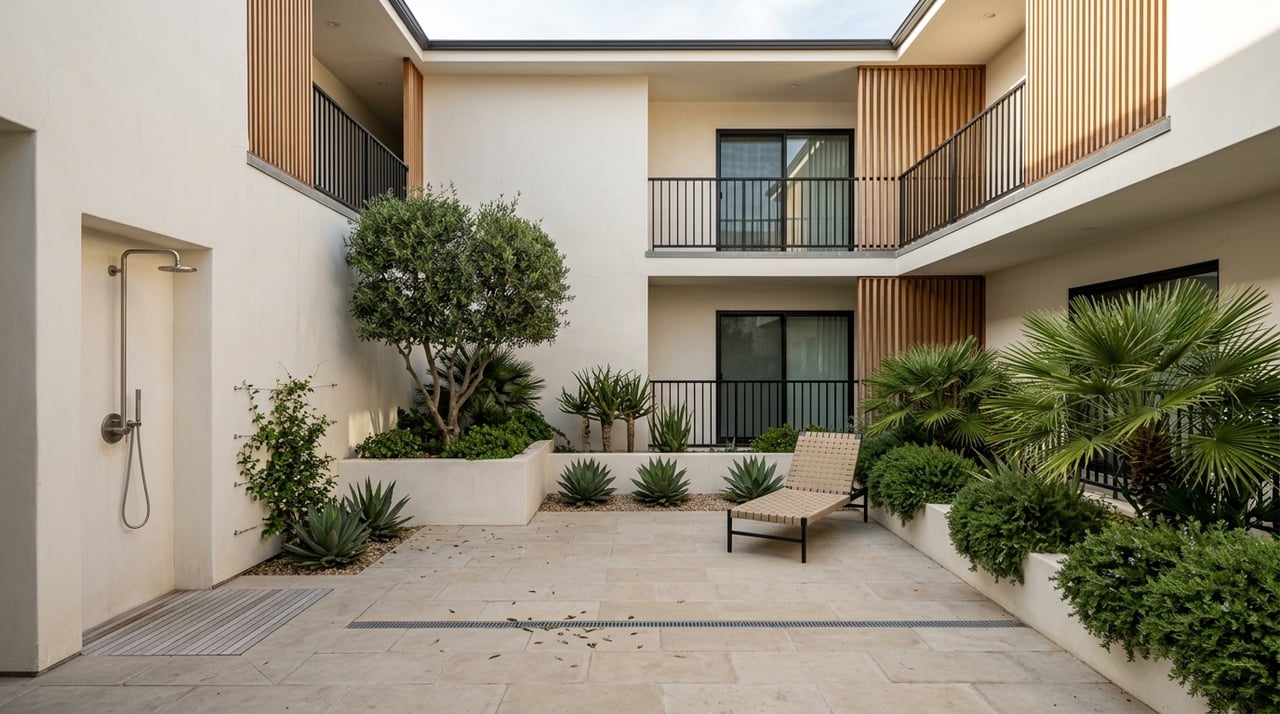
That buyer-visualization effect matters in Santa Barbara, where many homes are marketed around lifestyle, indoor-outdoor flow, and turnkey convenience. If your home already has a cohesive, design-forward interior, leaving it furnished may help buyers connect emotionally with the space faster.
A furnished approach can also reduce prep work. If your home already shows beautifully, you may be able to avoid moving everything out, paying for storage, and then restaging the property from scratch. For some sellers, that saves both time and hassle before launch.
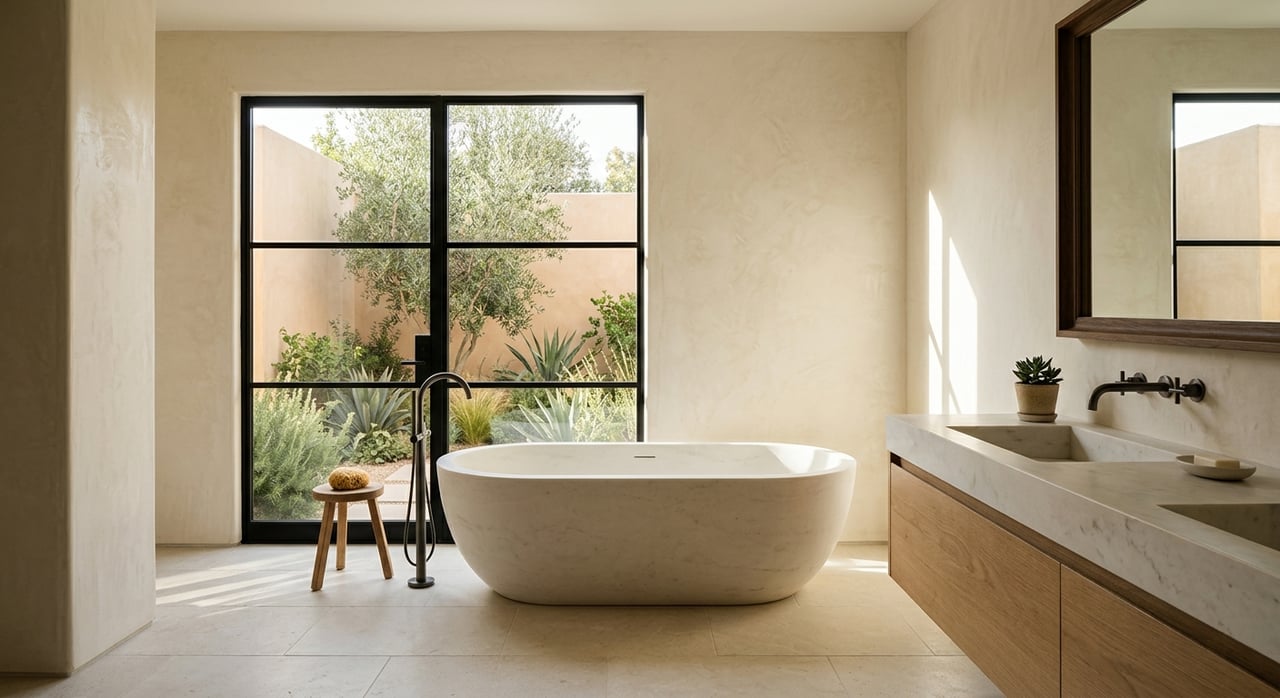
Selling furnished tends to make the most sense when the furniture adds to the property’s appeal rather than just filling rooms. In Santa Barbara, that can be especially relevant for coastal homes, second homes, executive-style residences, and luxury retreats that are being positioned as turnkey.
Here are some signs a furnished sale may be a strong fit:
This can be particularly compelling for sellers whose homes already feel like a finished product. In those cases, the furnishings support the experience of the home instead of distracting from it.
A furnished sale is not always the better option. If the furniture is dated, highly personal, or mismatched with the home, it can limit buyer appeal rather than increase it. Staging works best when it helps buyers imagine themselves in the space, not when it locks them into someone else’s taste.
That is why some furnished listings can narrow the buyer pool. A style-heavy interior may strongly attract some buyers while turning off others who would rather start with a blank canvas.
You may want to think twice about selling furnished if:
In those cases, a partial edit, traditional staging, or a clean unfurnished presentation may create broader appeal.
Even if you keep the furniture in place, you still need strong listing execution. Staging research found that buyers’ agents rated photos as the most important listing tool, followed by traditional physical staging, videos, and virtual tours.
That means furniture helps most when it is paired with thoughtful visual marketing. A beautifully furnished Santa Barbara home still needs professional photography and a presentation strategy that shows scale, light, flow, and indoor-outdoor living.
The goal is not simply to show that the home comes with furniture. The goal is to present a complete, aspirational, and believable lifestyle that buyers can step into.
This is where many sellers need to slow down and be precise. Because furnishings are personal property in California, payment for those items should not be casually blended into the home sale without clear treatment.
That is especially important if your property has been used as something other than your primary residence. IRS guidance notes that the main-home exclusion applies only to a taxpayer’s principal residence, and different rules can apply when a property has rental or business use. If there has been rental use or depreciation, separate calculations and depreciation recapture may come into play.
In plain language, the more complex the property’s history, the more careful you should be before deciding to include furniture in the sale. What feels like a simple convenience decision can carry tax and documentation consequences if the home has mixed personal and rental use.
If you are unsure whether to sell your Santa Barbara home furnished, use this simple framework:
Ask whether the furnishings truly elevate the property. If the answer is yes, they may be worth keeping as part of the sale strategy. If not, you may get a better result by editing, staging selectively, or selling without them.
Consider whether your buyer is looking for turnkey ease or a blank slate. In Santa Barbara, both buyer mindsets exist, so the answer depends on the property, the location, and the way the home will be positioned.
Selling furnished can reduce prep and moving logistics. At the same time, it can add paperwork and possible tax considerations, especially for second homes, investment properties, or homes with rental use.
Before going live, clarify exactly what would stay and how it would be documented. Clear records help avoid confusion later in escrow.
For many Santa Barbara sellers, the answer is maybe, but only if it is strategic. In a market that rewards strong presentation and move-in-ready appeal, a furnished sale can absolutely strengthen your listing when the interiors are an asset and the target buyer values convenience.
But it is not a one-size-fits-all move. If the furnishings do not support the home’s story, or if the transaction has added complexity because of rental or tax history, selling furnished may create more friction than value.
The best decision usually comes down to fit. You want your furnishings to enhance buyer perception, support your pricing strategy, and simplify the process, not complicate it.
If you are considering whether to sell your Santa Barbara home furnished, a tailored plan matters. Danielle Darin can help you evaluate the property, the likely buyer, and the smartest presentation strategy for your sale.
Stay up to date on the latest real estate trends.
Get assistance in determining the current property value, crafting a competitive offer, writing and negotiating a contract, and much more. Contact me today.