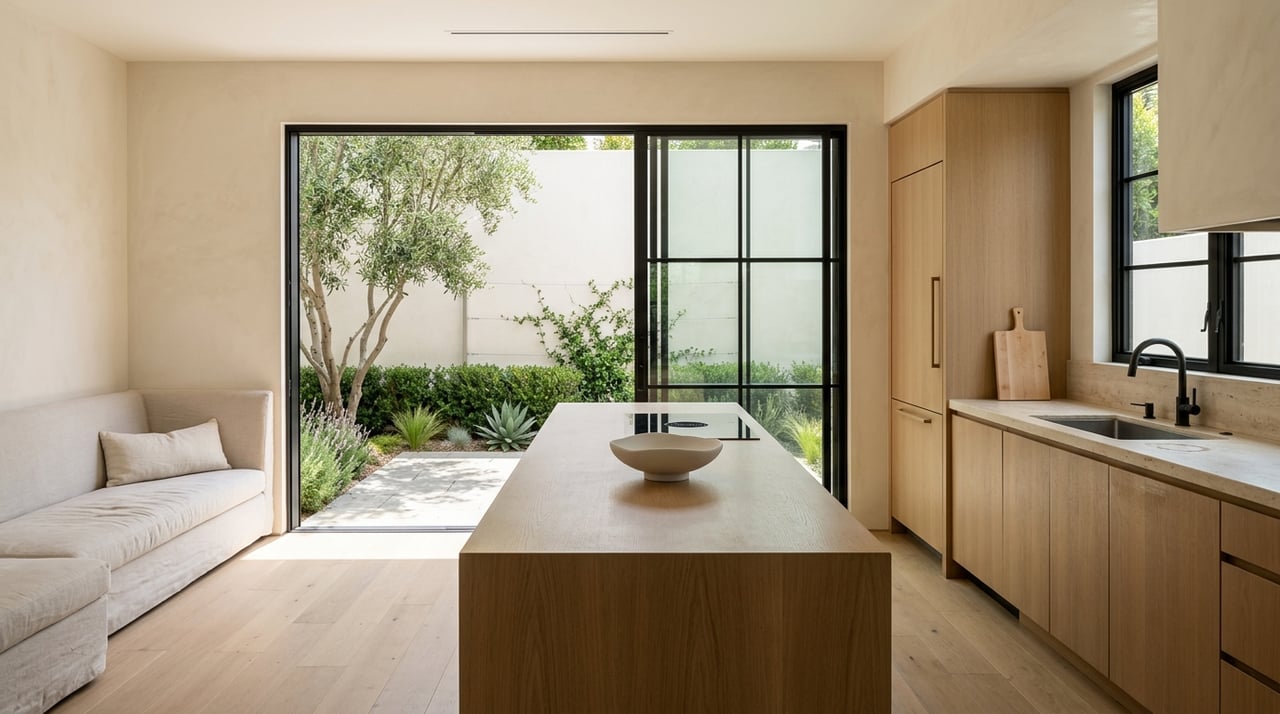
How to Evaluate a Santa Barbara Furnished Rental Investment
May 28, 2026
May 28, 2026
Are you thinking about buying a furnished rental in Santa Barbara because it looks like an easy, income-ready investment? In this market, "turnkey" can be appealing, but the real value goes far beyond stylish furniture and polished listing photos. If you want to buy wisely, you need to understand how zoning, taxes, operations, and guest demand all work together. Let’s dive in.
Santa Barbara attracts buyers who want a property that can support both lifestyle and income goals. The city has a premium housing profile, with a median owner-occupied home value of $1.57 million, median gross rent of $2,413, and median household income of $106,182, according to the U.S. Census Bureau.
You can also see the area's hospitality strength in local travel activity. Santa Barbara Airport handled 1,481,605 commercial passengers in 2025 and offered 13 nonstop destinations in 2026. Visit Santa Barbara also reported summer hotel occupancy of 78.5%, average daily rate of $397.62, and RevPAR of $312.21 in FY 2025-26 Q1.
That does not mean every furnished property is a strong investment. It means there is real travel and longer-stay demand in the market, especially for well-located, well-presented homes that feel easy to use from day one.
If you are shopping for a turnkey furnished rental in Santa Barbara, the first question is not whether the home looks beautiful. The first question is whether your intended use is actually allowed.
As of May 25, 2026, the City of Santa Barbara says short-term rentals are not permitted in most areas. Current rules treat short-term rentals like hotels only in zones where hotels are allowed, while they are prohibited in inland R-S and R-2 zones and in coastal A, E, R-1, and R-2 zones.
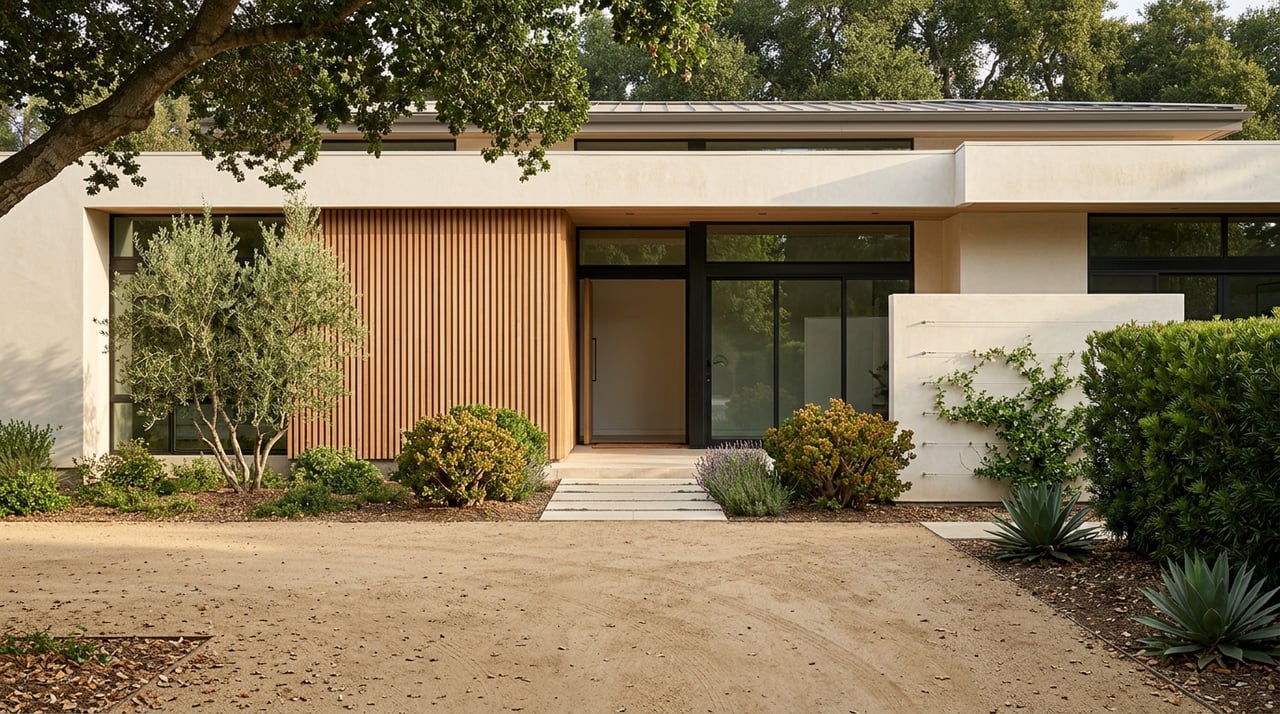
This is why a furnished home in a residential area is not automatically a viable nightly rental. Detached single-family homes in prohibited residential zones are not a safe assumption for unhosted short-term use, even if they are already beautifully furnished.
The city runs an active Short-Term Rental Enforcement Program that targets illegal short-term rentals and neighborhood issues such as noise and parking impacts. That means compliance is not something to sort out after closing.
In practical terms, zoning and permitability should be your first underwriting filter. If the use path does not work, the "turnkey" package may have very little value for your actual investment plan.
If the property is in the coastal zone, you should expect additional review and timing uncertainty. The city has been advancing a new short-term rental ordinance, and coastal amendments still require Coastal Commission review and certification.
That does not mean coastal purchases should be avoided. It does mean your timeline, exit strategy, and operating assumptions should be conservative until the rules are fully adopted and certified.
In a market like Santa Barbara, turnkey should mean more than move-in ready. It should mean the property is operationally realistic for the way you plan to use it.
A true turnkey furnished rental usually combines three things:
That last point matters more than many buyers expect. Furnished rentals have recurring replacement and maintenance needs, and those should be modeled before you rely on projected rates.
Santa Barbara has strong hospitality indicators, but smart buyers should still underwrite carefully. Visit Santa Barbara reported a slight year-over-year softening in occupancy and ADR, which suggests this is not a market where you should assume automatic rate growth.
A better approach is to look at the broader signals. The city recorded $1.0 billion in accommodation and food-services sales in 2022, and the local tourism organization has focused its marketing on Southern California, West Coast travelers, and last-minute bookings.
That mix supports furnished inventory that offers convenience, easy arrival, and a polished guest experience. It also suggests that properties designed for longer stays may perform well when they remove friction for the guest or resident.
Visit Santa Barbara reported that a Third Night Free promotion across 18 properties generated 45,000 referrals. That is a useful local sign that value-oriented longer stays can help drive bookings.
Airbnb's guidance for longer stays points in the same direction. Weekly and monthly discounts can improve occupancy, reduce turnover, and make operations easier, especially when a property is designed for real day-to-day living.
If you are buying in Santa Barbara, this can shape both your acquisition criteria and your furnishing plan. A home that works for a three-night leisure guest and a month-long executive stay may offer more flexibility than a home designed only for weekend use.
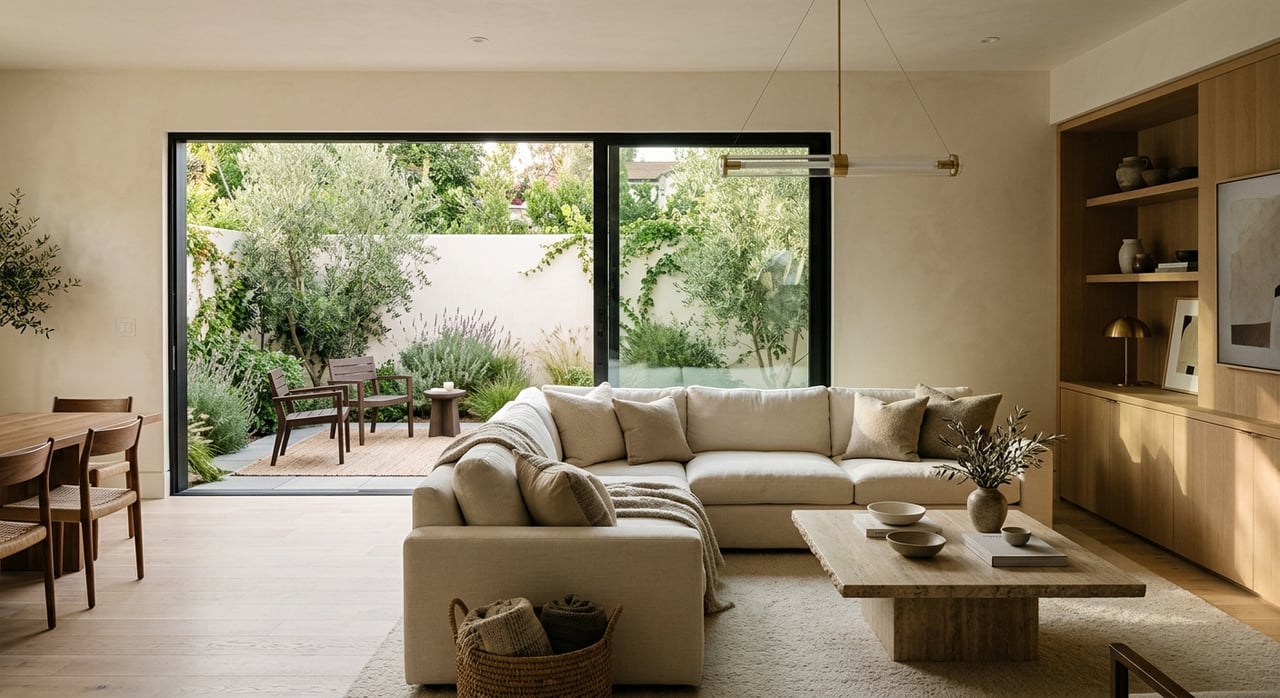
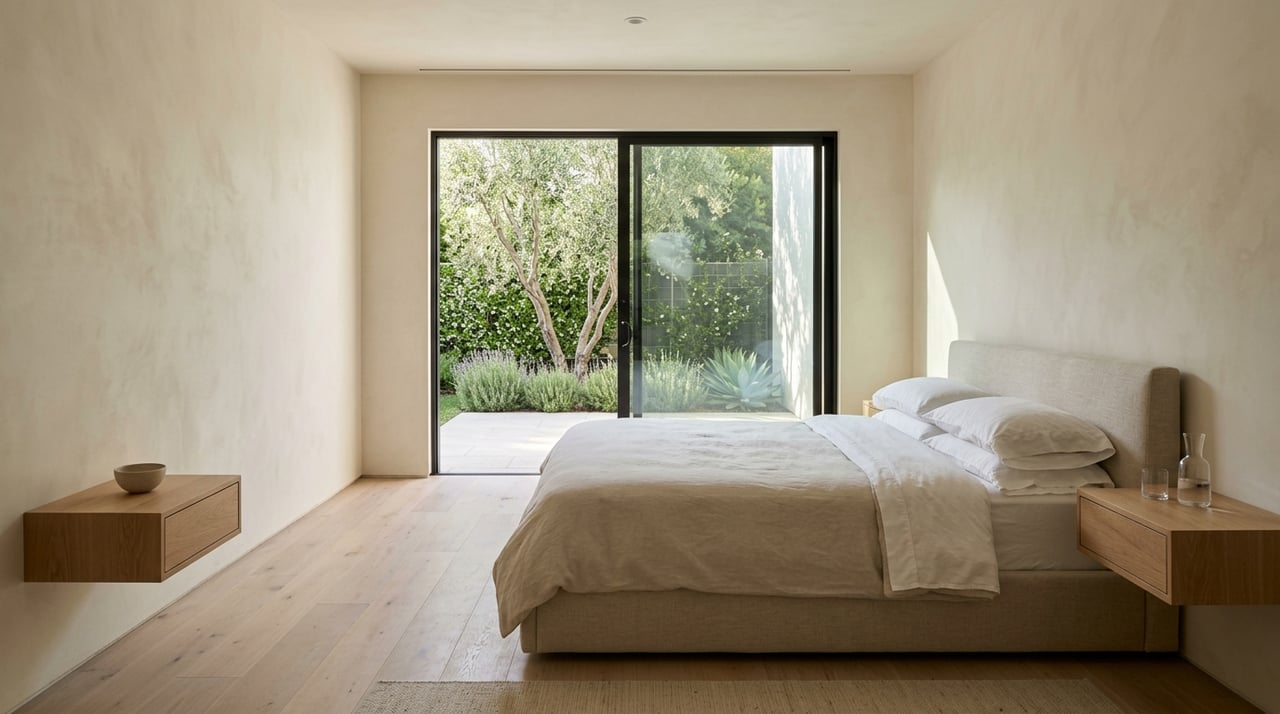
The most effective Santa Barbara furnished rentals tend to feel elevated but livable. In other words, they should photograph beautifully, but they should also function well for someone staying beyond a long weekend.
Airbnb's long-stay guidance highlights features that matter to guests, including:
For Santa Barbara specifically, it also helps when the home offers the kind of details that support easy, comfortable living. Think real storage, a proper work surface, reliable parking, durable furnishings, and a cohesive design story that feels calm and intentional.
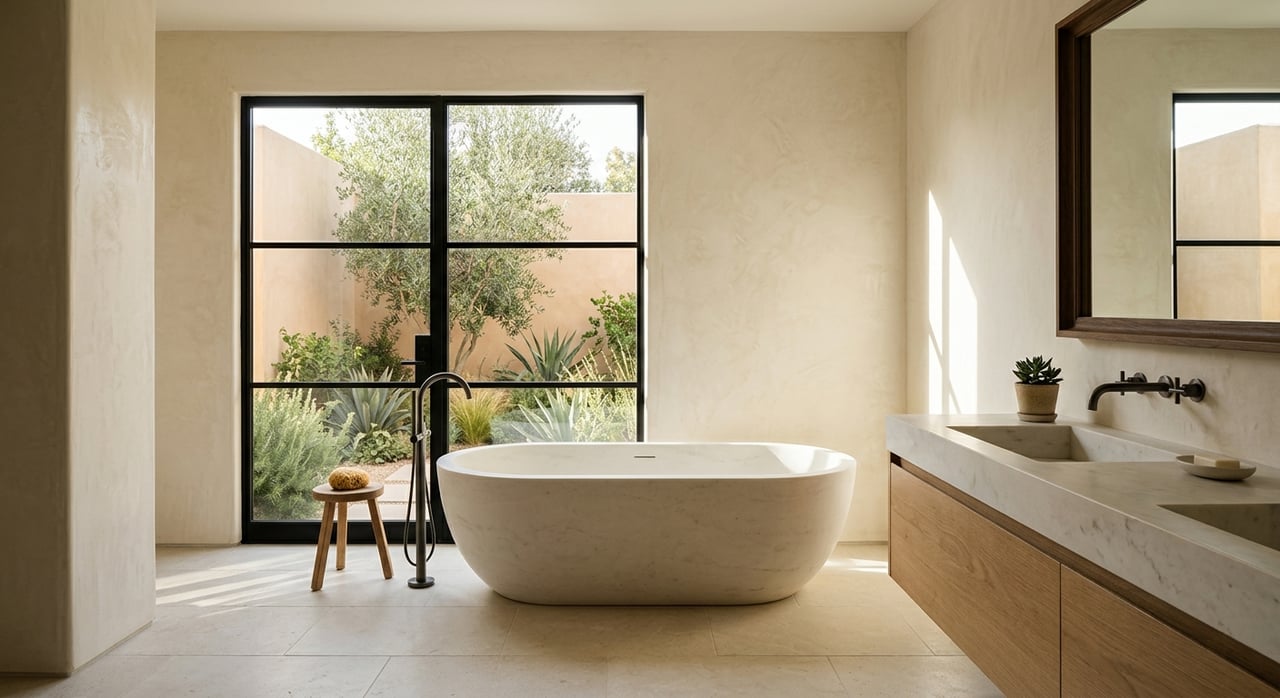
A turnkey rental has to perform visually as well as operationally. Airbnb recommends uncluttered rooms, daylight, landscape-format photography, and high-resolution images, along with highlighting distinctive amenities such as a fireplace, artwork, or outdoor entertaining features.
That advice fits Santa Barbara especially well. Buyers in this market are often drawn to design-led homes that feel refined, natural, and easy to inhabit, not overly styled or temporary.
If your intended use involves short stays, tax planning belongs in your upfront analysis. In Santa Barbara, transient occupancy tax applies to stays of 30 consecutive days or less.
The city assesses a 12% TOT on gross rents, plus a 2% TBID assessment. Operators file monthly, must keep records for three years, and the city has an active TOT and TBID audit review underway.
For a buyer, this means tax compliance is part of deal modeling from the beginning. Your projected income should reflect these obligations, along with management costs, insurance, and reserves for furnishings and replacements.
It is easy to think that shifting from nightly to monthly use solves every regulatory issue, but that is not always the case. Airbnb notes that monthly stays are 28 nights or longer on its platform, and some jurisdictions may treat guests as tenants after about a month.
Santa Barbara is also in the middle of a broader rent-stabilization and tenant-protection policy process. If your plan includes a mix of nightly, monthly, or longer occupancy, it is important to understand how those categories may affect your operations before you buy.
Before you purchase a turnkey furnished rental in Santa Barbara, make sure you confirm the basics that truly shape performance. In this market, diligence should be practical and use-specific.
Your checklist should include:
A polished home can still be the wrong asset if those items do not line up. The best purchases are usually the ones where compliance, design, and operations all support the same strategy.
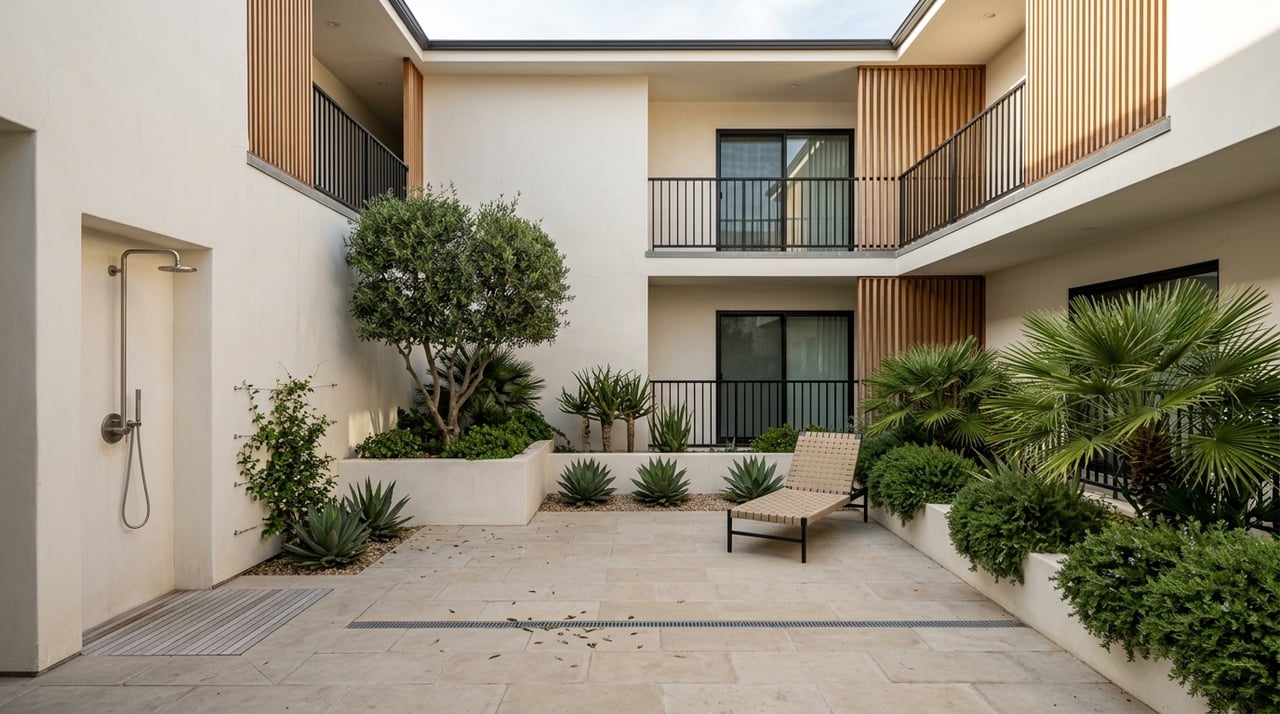
In this market, the strongest furnished-rental buys are usually compliance-first assets with hospitality-grade presentation. That often means looking closely at hotel-friendly, commercial, or multi-residential properties, or at other properties where the use path is much clearer under current rules.
You are not just buying furniture and location. You are buying a legal use profile, a guest or resident experience, and an operating model that needs to hold up over time.
That is why local guidance matters so much in Santa Barbara. A property can look turnkey on paper, but the right purchase is the one that fits your goals, your risk tolerance, and the city's actual regulatory landscape.
If you are considering a turnkey furnished rental in Santa Barbara, a thoughtful acquisition process can help you avoid expensive assumptions and focus on properties with real long-term potential. To explore opportunities with a local, design-forward advisor who understands furnished inventory and investment strategy, schedule a consultation with Danielle Darin.
Stay up to date on the latest real estate trends.
Get assistance in determining the current property value, crafting a competitive offer, writing and negotiating a contract, and much more. Contact me today.